
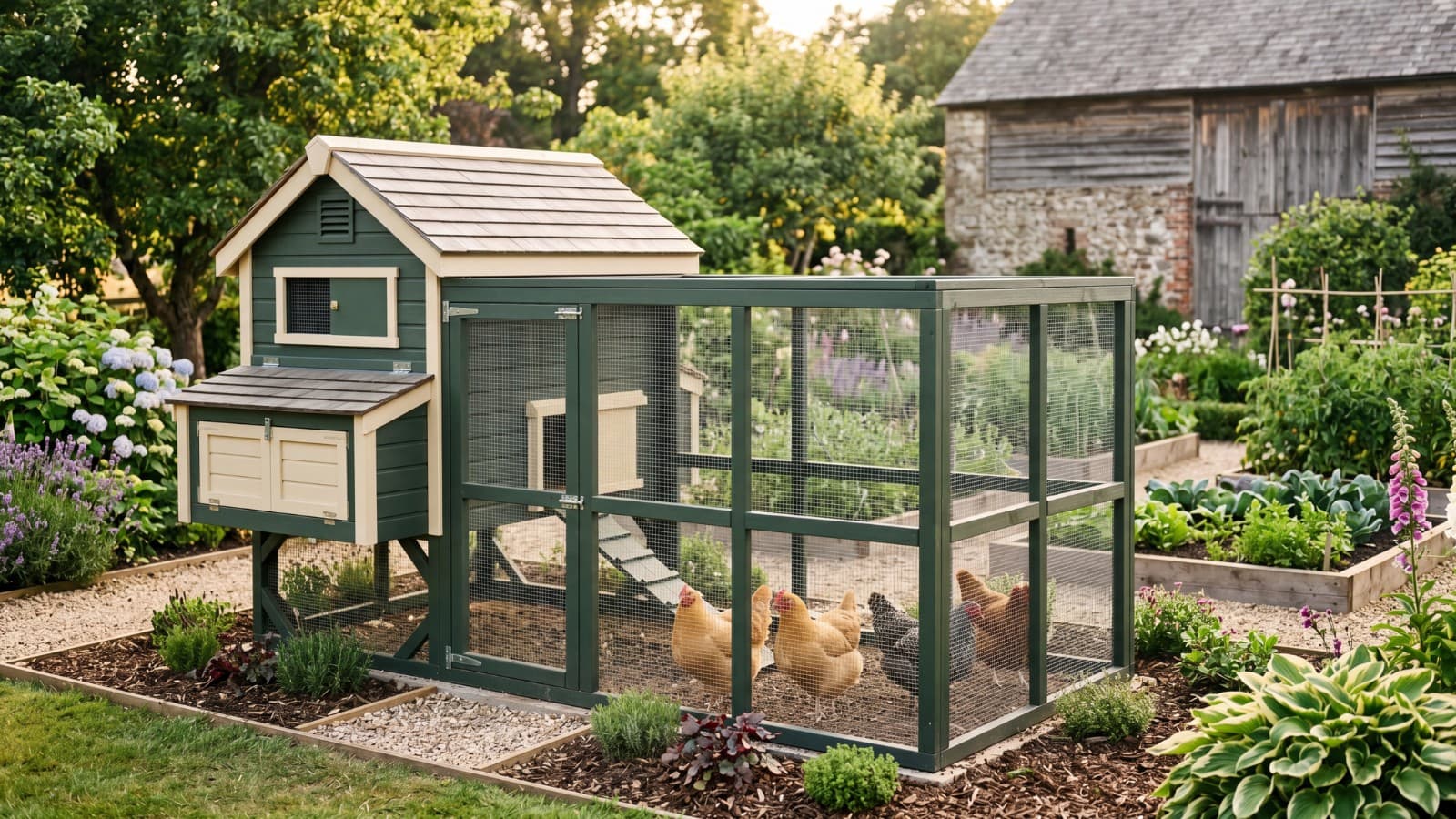
Chicken Coops
Chicken Coop Plans: How to Choose One That Lasts
What to look for in a coop plan, how to size it for your flock, and the details most free plans get wrong.
8 min read
Chicken coop plans, predator-proofing, ventilation, and design ideas that hold up through real backyard winters and summers.
A good coop keeps your chickens dry, ventilated, and safe from predators. These guides cover sizing, materials, hardware cloth, ventilation, roosts, nest boxes, and the small details that separate a coop that lasts from one that doesn't.
Guides
Short, practical, and written for backyard keepers.
What to look for in a coop plan, how to size it for your flock, and the details most free plans get wrong.
8 min read
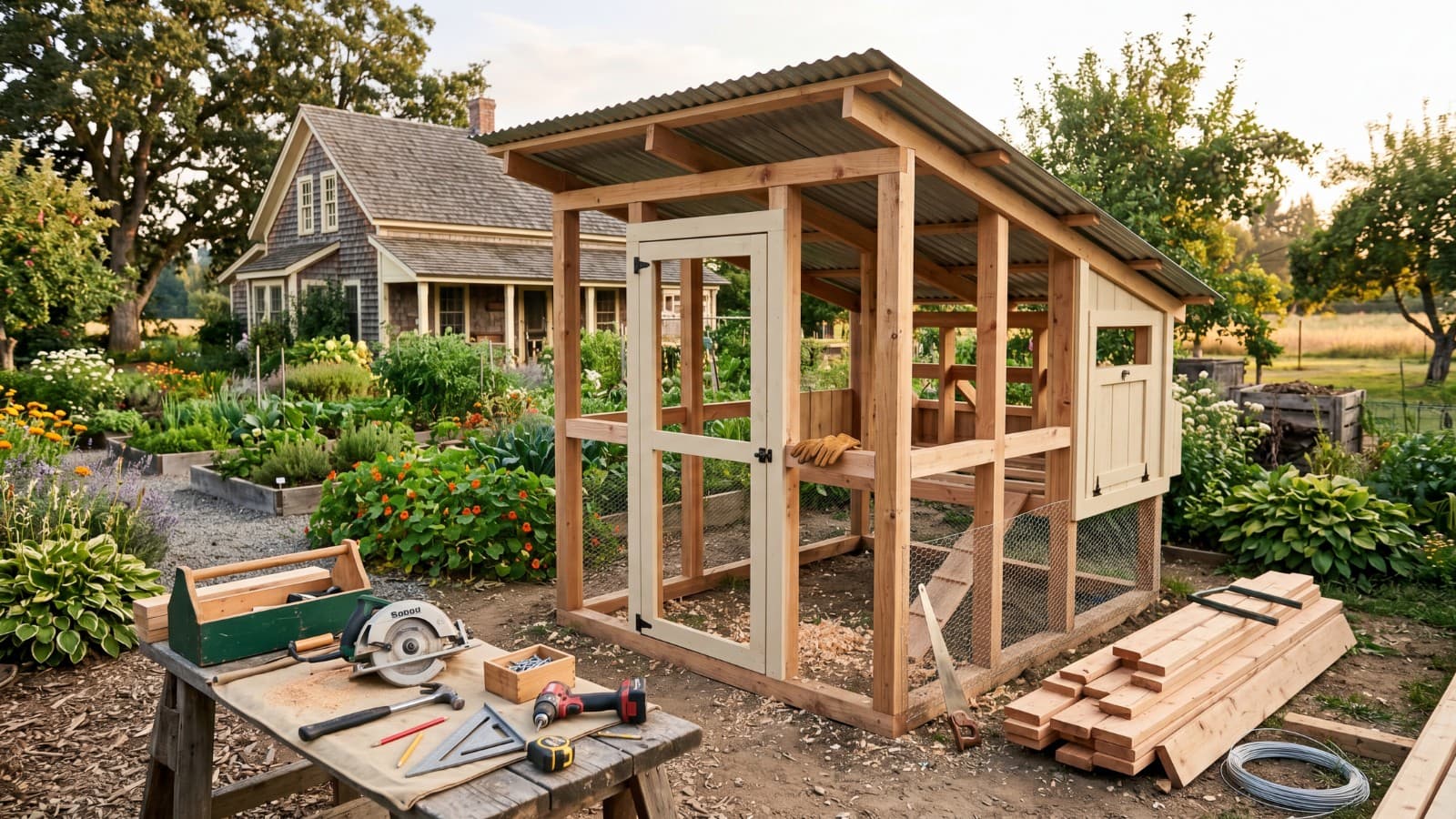
A grounded walkthrough of building your first coop, from materials and tools to ventilation and predator-proofing.
10 min read
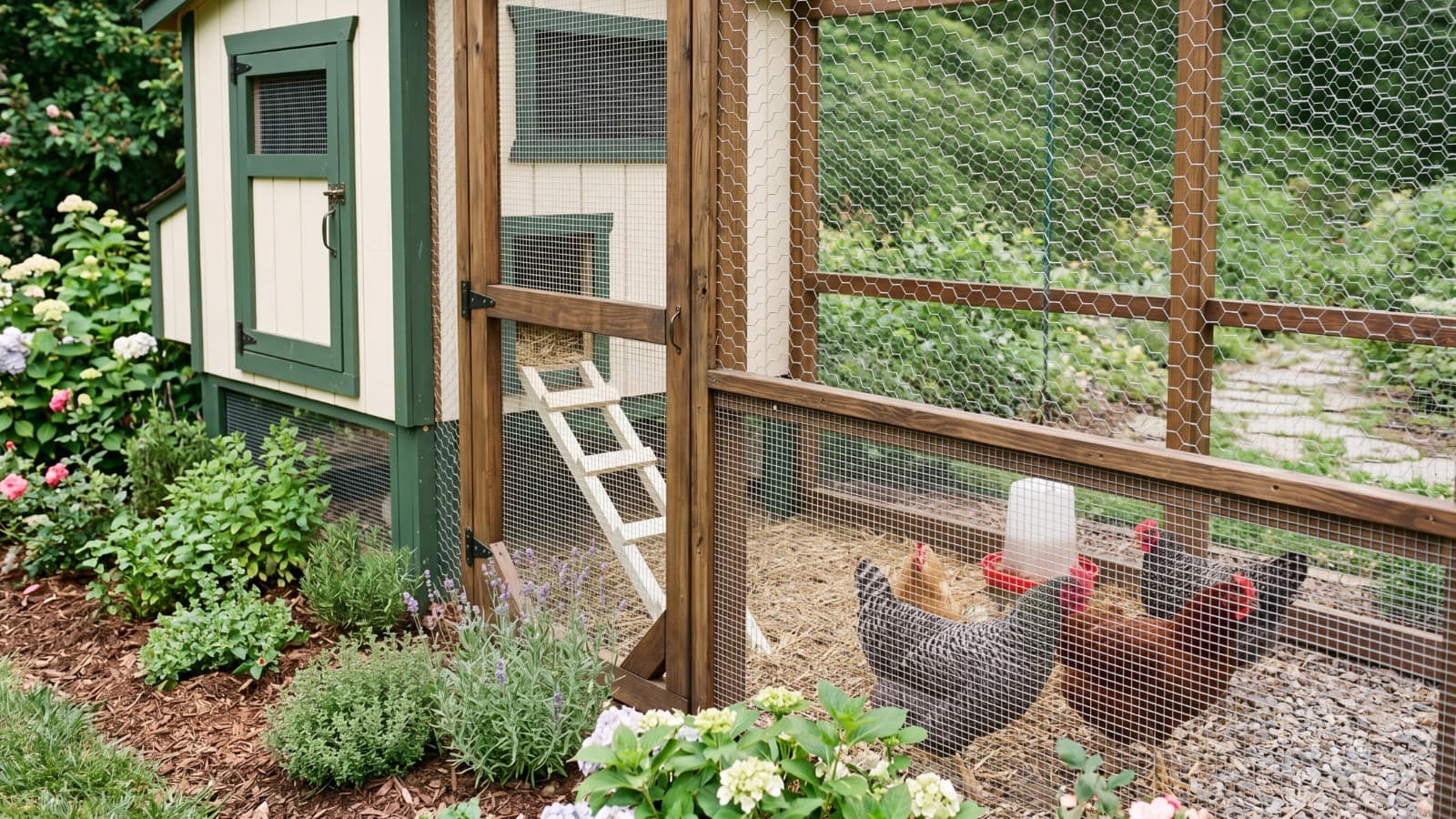
Chicken wire and hardware cloth do completely different jobs. Here is when to use each, and why the wrong choice can cost you the flock.
6 min read
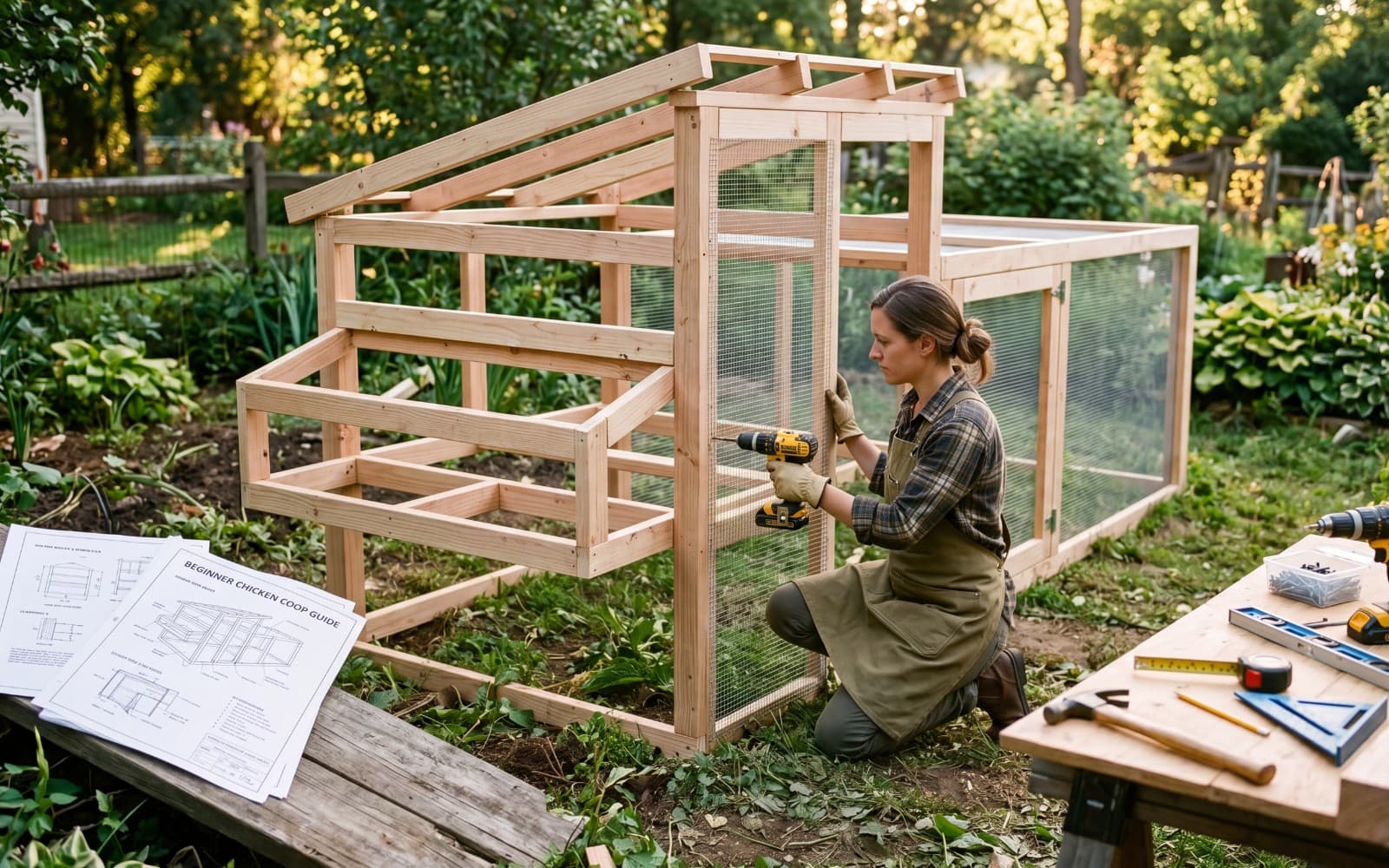
What every beginner-friendly coop plan needs, what to skip, and how to evaluate a plan before you start cutting lumber.
8 min read
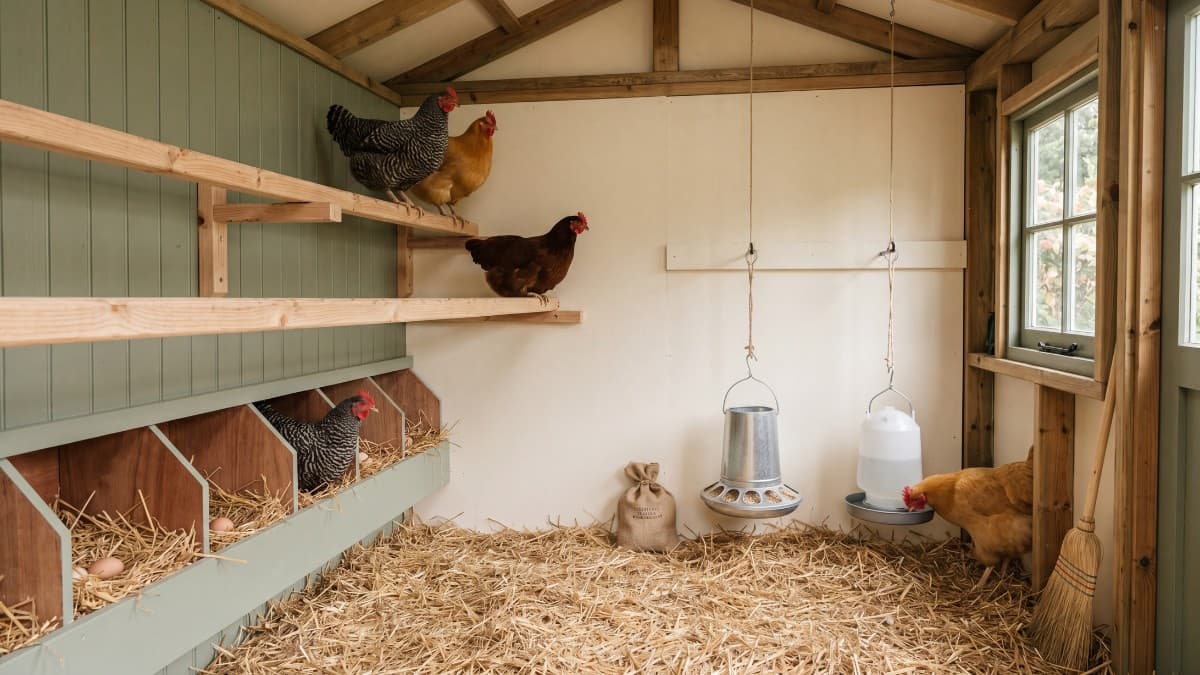
A beginner setup guide covering roosts, nest boxes, bedding, ventilation, feeders, waterers, and what to leave out of the coop.
7 min read
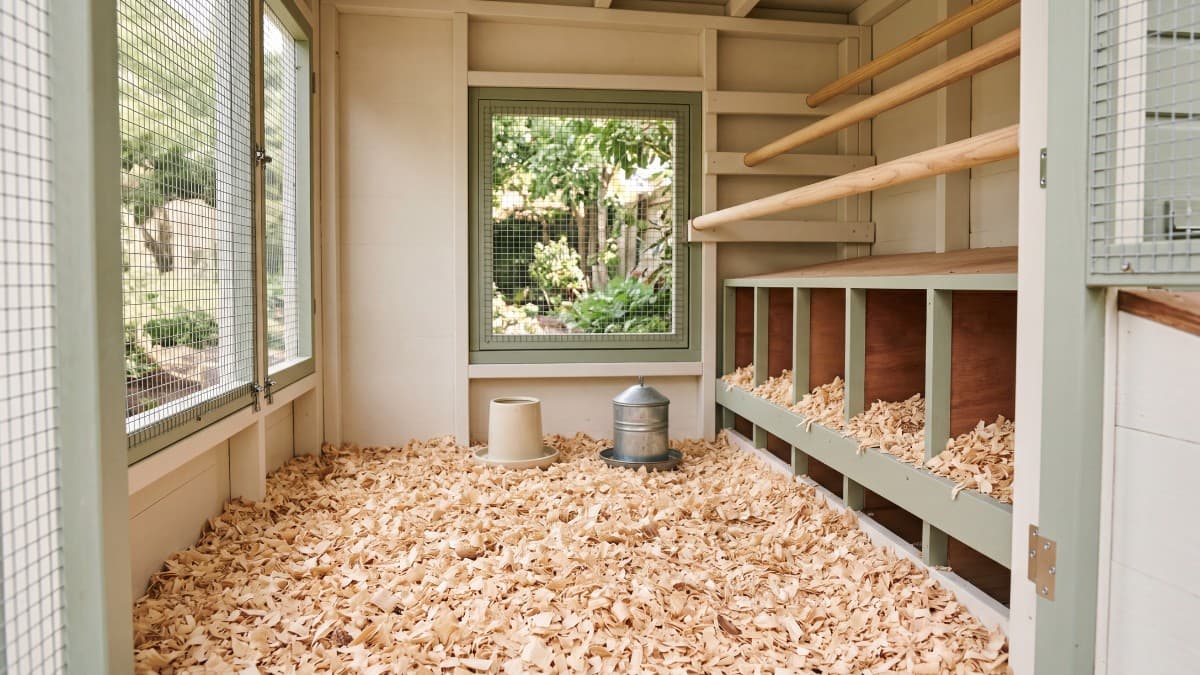
A practical daily, weekly, monthly, and seasonal cleaning routine for backyard chicken keepers. Less work, healthier flock.
7 min read
A good coop is dry, well-ventilated, predator-proof, and easy for youto clean. Skip any one of those and you’ll either dread chores or lose birds.
The guides below dig into each of these in detail, with the specifics most free coop plans skip.
Start here
A short reading order for chicken coops beginners.
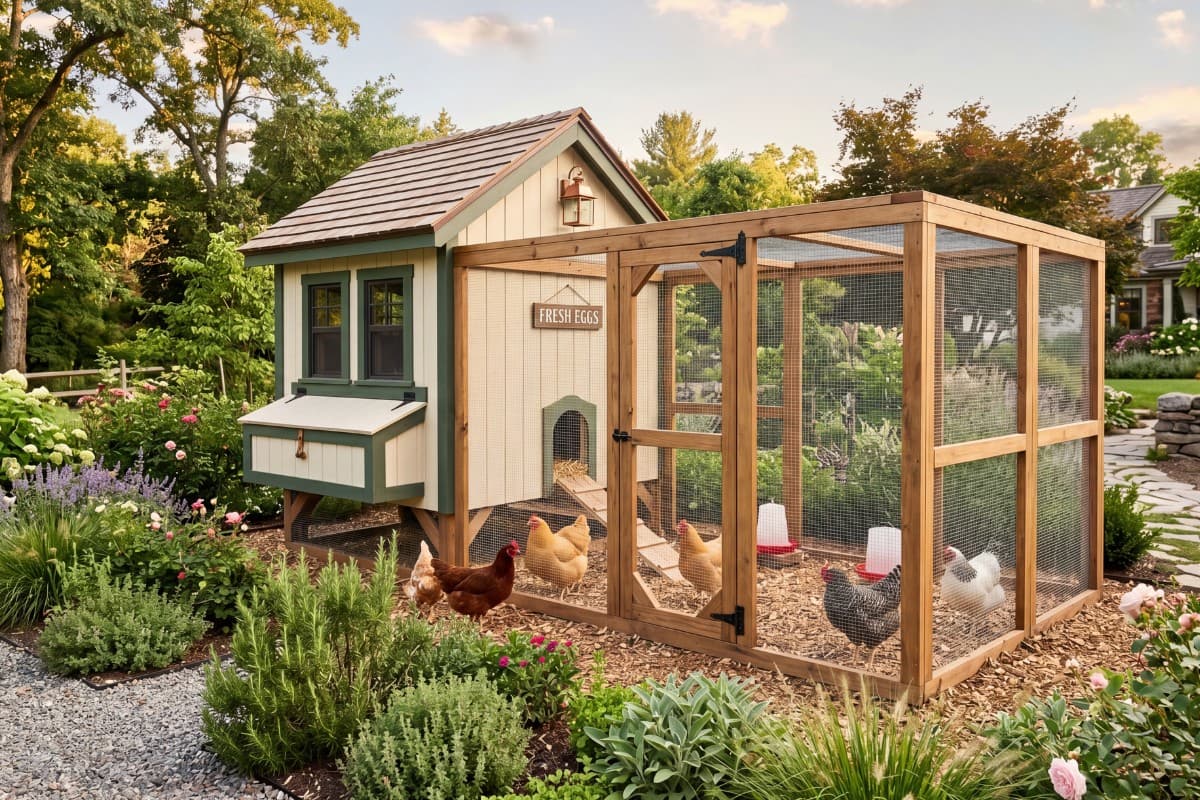
Printable bundle
Want the printable checklists? Get the Chicken Homestead Checklist Bundle with beginner chicken care, coop cleaning, egg collection, feeding, seasonal routines, and flock record sheets.
Keep exploring
Daily routines and seasonal care for a healthy flock.
Explore guides →Pick the right birds for eggs, temperament, and climate.
Explore guides →Get more eggs and understand laying cycles.
Explore guides →Spot problems early and keep your flock thriving.
Explore guides →