For many backyard poultry keepers, chickens are more than just livestock; they are beloved family pets. If you have children, live in a suburban area, or simply want a flock that enjoys your company, prioritizing friendliness is key. Certain chicken breeds are naturally calm, curious, and enjoy human interaction, often following you around like feathered puppies. This guide highlights the friendliest chicken breeds, explains what shapes their behavior, and shares tips for raising lap-friendly hens.
Raising friendly chickens is also highly practical, as it makes health checks and coop chores much easier. When a bird trusts you, inspecting it for injuries or treating it for parasites is a stress-free process for both keeper and chicken. Let's look at the breeds that make the best pets.
What friendly actually means
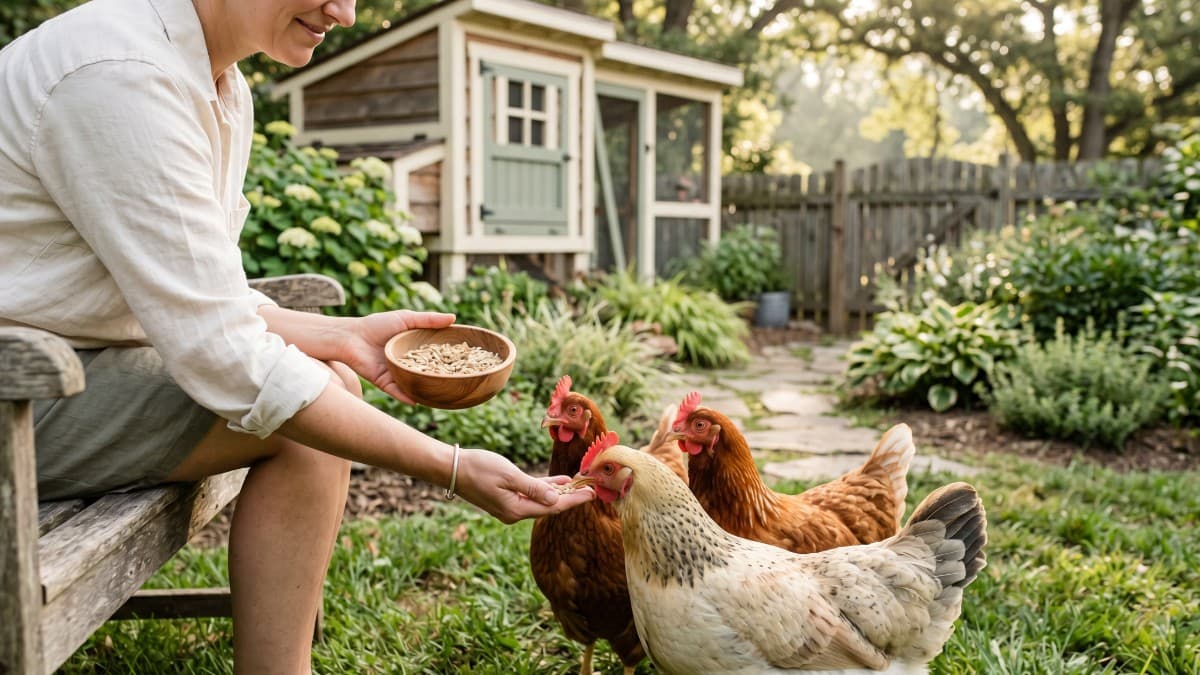
A friendly chicken is one that is calm, lacks flightiness, and shows a natural curiosity toward humans. These birds do not panic when you enter the coop and will actively walk up to you rather than running away. Friendliness is genetic, but it is heavily reinforced by early handling. Raising chicks with regular human contact, hand-feeding treats, and moving slowly around the coop are vital steps to building trust.
Using voice cues and talking softly to your birds helps them get used to your presence. The goal is to show them that humans are a source of comfort and rewards rather than threat. Over time, this daily interaction produces trusting, calm adult hens.
Buff Orpington
Buff Orpingtons are the ultimate lap-chickens. These large, fluffy, golden-yellow birds are famous for their sweet, gentle, and quiet nature. They love to be held, will follow you around the garden, and are incredibly patient with children. Their calm disposition makes them excellent pets for suburban backyards, and their thick feathers make them highly huggable.
They have a quiet, soft clucking sound that is very peaceful. They are highly food-motivated, meaning they will quickly learn to eat out of your hand and will wait by the gate for you to arrive with kitchen scraps.
Silkie
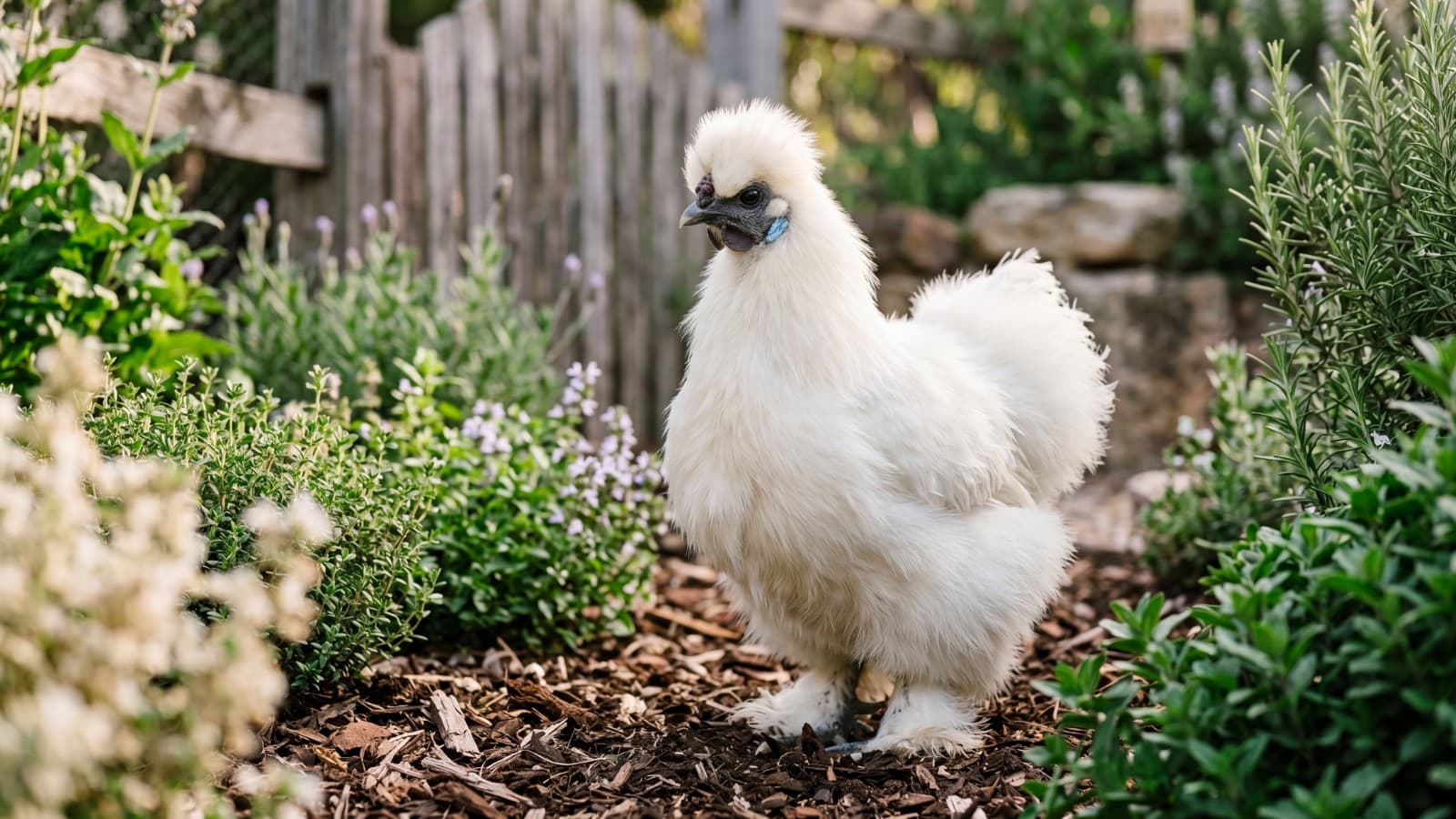
Silkies are more like fluffy plush toys than standard chickens. With their fur-like feathers and gentle personalities, they are incredibly sweet and docile. Silkies are content to sit quietly on a lap for hours, making them a favorite for therapy programs and schools. Because they cannot fly, they are very easy to catch and handle.
Their physical appearance—complete with a crest of head feathers and a beard—makes them highly charming. They are exceptionally patient and rarely show aggression, making them the safest breed for young toddlers to handle.
Cochin
Cochins are heavily feathered, round birds that are exceptionally calm and quiet. They have feathers covering their legs and feet, giving them a charming, slow-moving waddle. Cochins are gentle giants (and bantams) that rarely display aggression. They are highly affectionate, love treats, and are prone to going broody, making them sweet, patient mothers.
Their dense feathering makes them feel like large pillows. They are content with confinement and are slow-moving, making them very easy to manage. They get along well with all other peaceful bantam and standard breeds.
Brahma
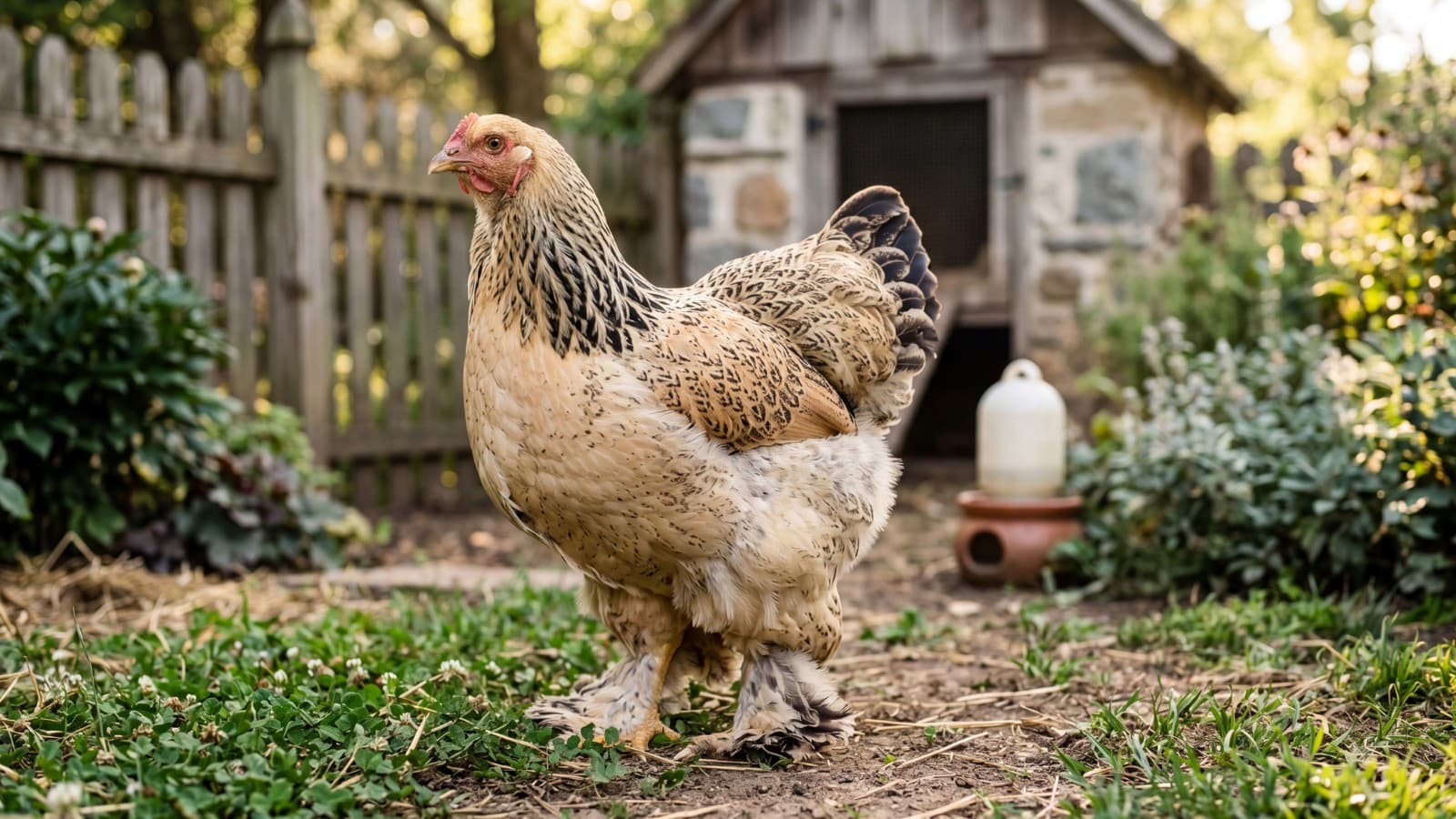
Brahmas are known as the 'gentle giants' of the chicken world. Despite their massive size, they have a very quiet, docile, and trusting temperament. They are highly tolerant of children and other animals, rarely making noise. Their large size makes them feel sturdy and safe for kids to interact with, and they are quick to bond with their keepers.
They have feathered legs that require dry footing. Their pea comb is small and frostbite-resistant. They have a very gentle, quiet way of pecking treats from your hand, showing extreme care despite their large beaks.
Australorp
Black Australorps are peaceful, quiet birds that develop a deep trust in their keepers. They are active foragers but have a very steady, non-flighty temperament. Australorps are excellent for suburban yards because they are quiet and gentle. They will follow you closely in the garden, hoping you turn over dirt to reveal worms.
Their black feathers have a stunning green sheen in the sunlight. They are highly consistent layers, combining utility with friendliness. They are very stable birds that rarely panic, even when active pets are nearby.
Plymouth Rock
Barred Plymouth Rocks are friendly, outgoing, and highly curious chickens. They are active and alert but possess a very bold, sweet personality. A Barred Rock is often the first to run to the gate to greet you, pecking gently at your shoes for treats. They are highly adaptable, robust, and make wonderful family companions.
They enjoy participating in whatever yard work you are doing, scratching in the soil right next to your shovel. They are very robust and maintain their friendly attitude through all weather conditions.
Easter Egger
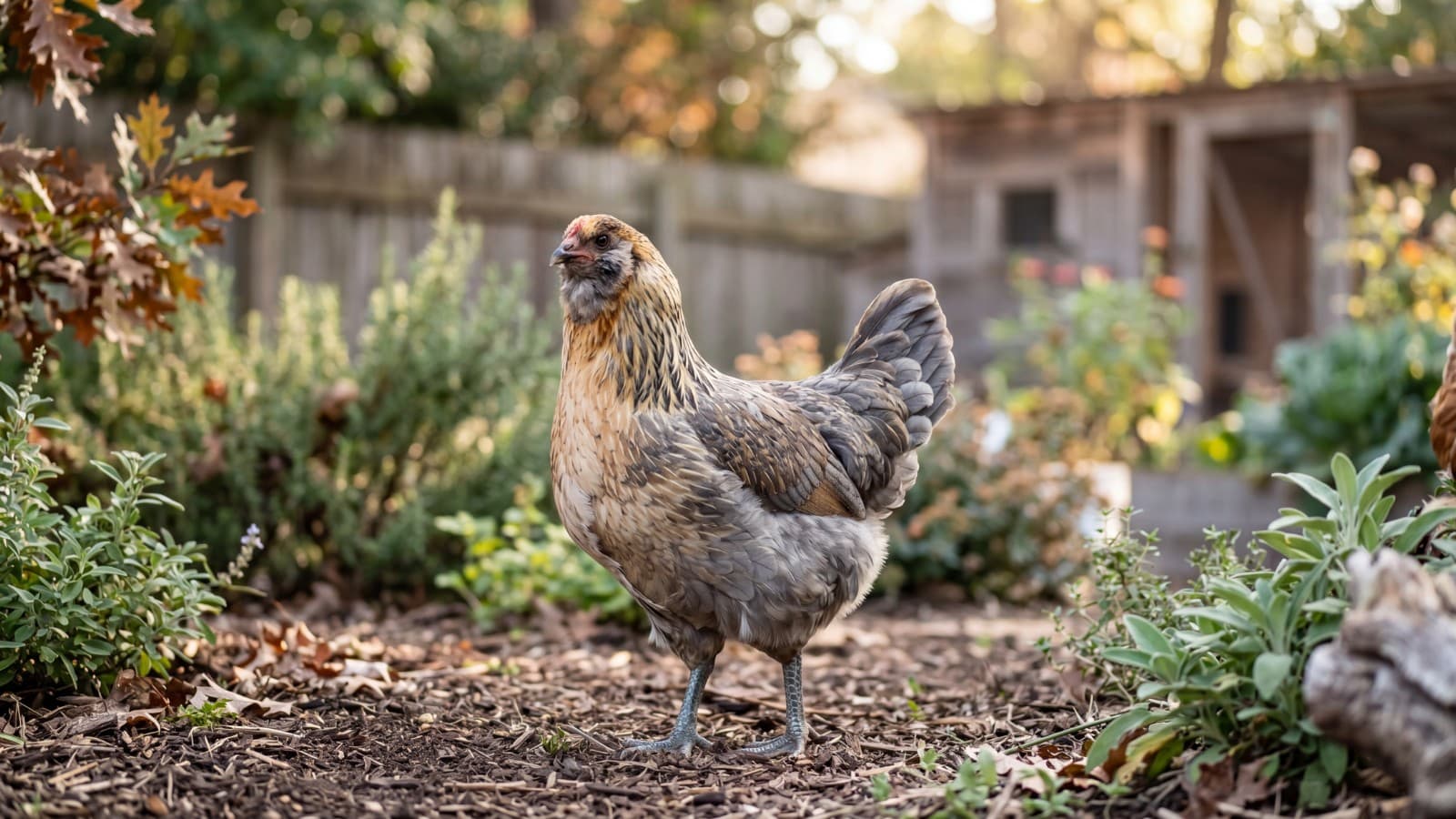
Easter Eggers are incredibly friendly, active, and expressive chickens. They have a funny, curious nature and will tilt their heads to watch you, often making quiet cooing sounds. They are very social and adapt quickly to human handling. Their friendly behavior, combined with their blue or green eggs, makes them a backyard favorite.
They have fluffy facial feathers that look like beards. They are very active and love to explore, but they are easy to tame with regular treats. They bring a lot of energy and fun to the backyard flock.
Salmon Faverolles
Salmon Faverolles are French birds with fluffy muffs, beards, and feathered legs, giving them a very comical appearance. They are exceptionally sweet, gentle, and slightly submissive in nature. They love to chatter and will run to greet you with a funny, heavy gait. Their docile behavior makes them a perfect pet breed.
Because they are submissive, they can sometimes be picked on by dominant breeds. It is best to house them with other gentle birds like Orpingtons or Silkies to ensure they remain happy and stress-free.
Friendly flock mixes
- The Family Pet Mix: Buff Orpington, Silkie, Salmon Faverolles. Maximum fluff and docility.
- The Friendly Layer Mix: Black Australorp, Barred Rock, Easter Egger. Great eggs combined with bold, friendly personalities.
- The Bantam Pocket Mix: Cochin Bantam, Silkie, Bantam Brahma. Tiny, low-space, highly handleable birds.
Tips for raising a friendly flock
To raise a friendly flock, start handling your chicks daily from the week you bring them home. Feed them high-value treats like mealworms directly from your hand so they associate your presence with positive rewards. Avoid chasing or cornering your birds; instead, sit quietly in the run and let them approach you. Talk to them in a soft, steady voice to get them used to your sound.
Ensure that you teach children to handle them gently, supporting their breast and wings. Keep their coop clean and dry to reduce stress, as happy, healthy chickens are naturally more curious and outgoing.
Frequently Asked Questions
Quick, practical answers to common questions about feeding this to chickens.
About the Author

Amy Schmelter is a lifelong chicken keeper raising a large flock in Florida and the author of the upcoming book What I Wish I Knew Before Getting Chickens. She started Chicken Homestead to share what actually works.
Disclosure
Some links on Chicken Homestead may be affiliate links. We only recommend products we’d use ourselves. See our affiliate disclosure for details.