One of the greatest benefits of keeping backyard chickens is harvesting fresh, delicious eggs daily. Unlike store-bought eggs, backyard eggs do not always need washing, thanks to a natural protective coating called the 'bloom.' However, there are times when eggs collect mud or droppings and require clean-up. Knowing how to wash fresh eggs safely—and when to leave them unwashed—prevents bacterial contamination and preserves quality. This guide covers the science of the bloom, washing methods, storage, and common cleaning mistakes. Proper handling of your harvest from nest box to kitchen is critical for preventing foodborne illness. By understanding when washing is necessary and how to execute it safely, you can enjoy clean, delicious eggs without risk.
The bloom and why it matters
The bloom (or cuticle) is a thin, invisible layer of protein deposited on the eggshell just before it is laid. This natural barrier seals the 7,000+ microscopic pores in the shell, preventing bacteria like Salmonella from entering the egg. Washing eggs removes this bloom, exposing the pores and making the egg vulnerable to contamination, so leaving clean eggs unwashed is highly recommended. The bloom also slows down moisture loss, keeping the egg fresh for a longer period of time without refrigeration.
The bloom also contains antibacterial peptides that active destroy cell membranes of invading pathogens. This biological shield is the egg's primary defense, and it remains active as long as the shell is kept dry. Wetting the shell dissolves these proteins, leaving the egg vulnerable to rapid spoilage.
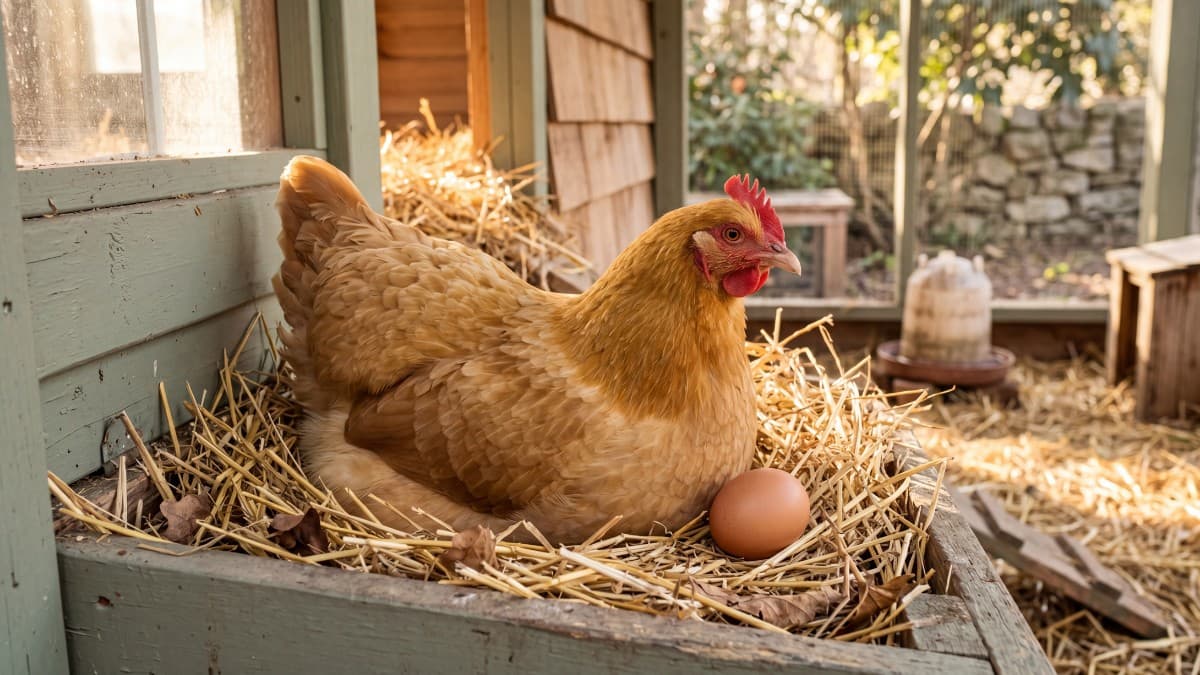
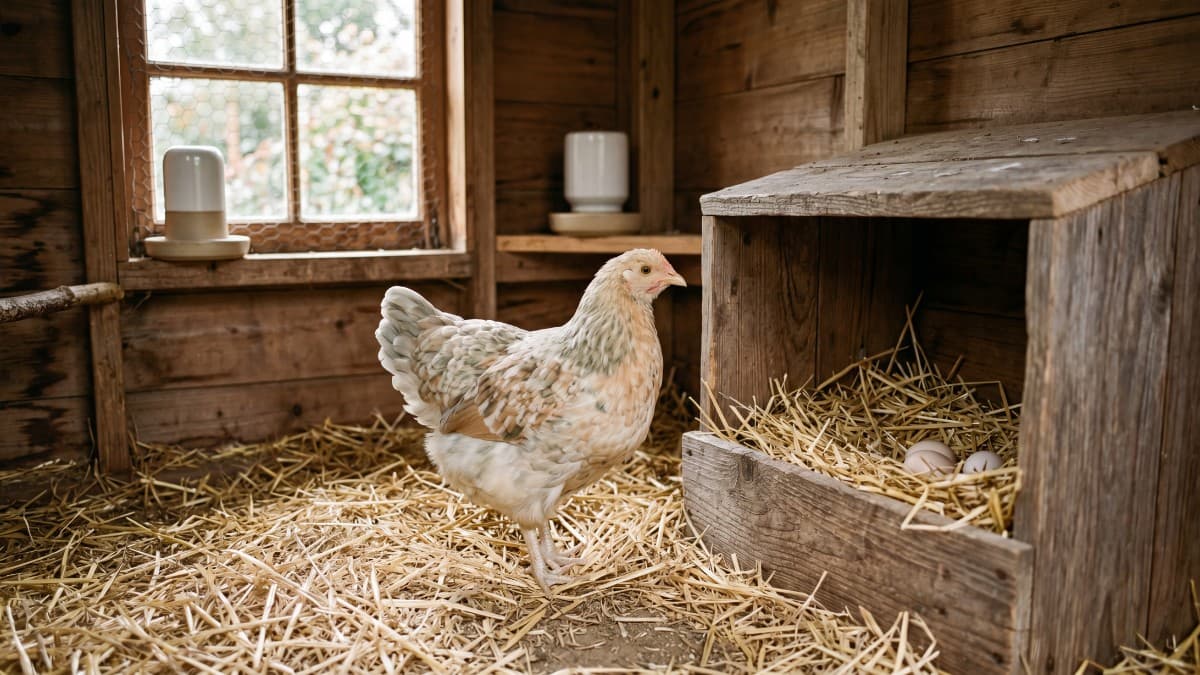
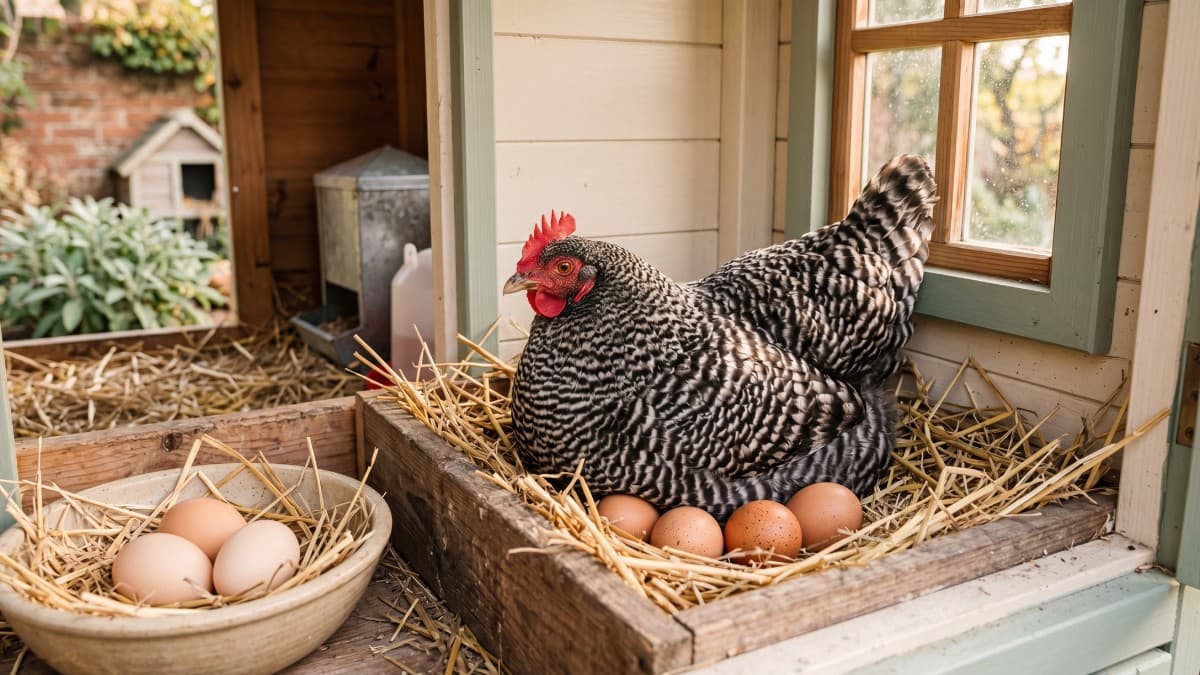
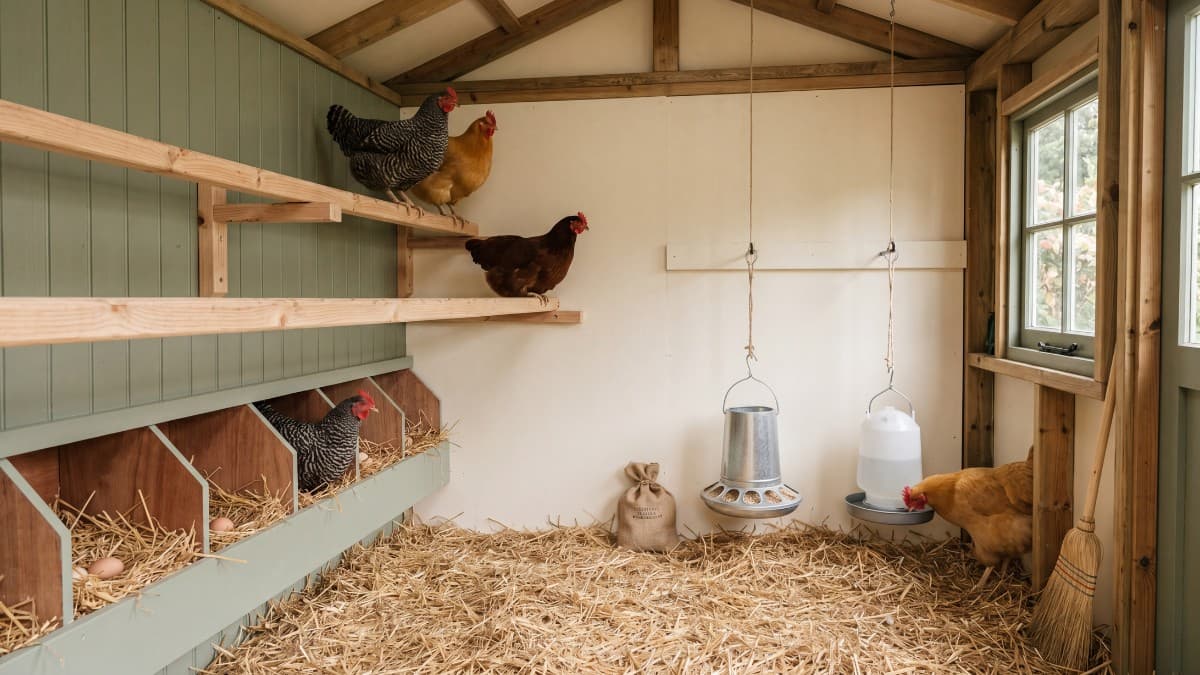
Maintaining clean nesting boxes is the absolute best way to ensure your eggs remain pristine from the moment they are laid. Frequently refreshing the straw or wood shavings in the nests minimizes soil and droppings exposure. Inspecting the nests daily and promptly removing any broken shells keeps the nesting area dry and limits contamination.
When eggs need washing
Only wash fresh eggs if they are visibly dirty with mud, droppings, or yolk from a broken egg. If an egg is clean, it is best to leave it unwashed to preserve the bloom. This allows you to store the eggs at room temperature on the kitchen counter for up to two weeks. Visibly dirty eggs should be cleaned immediately using dry or wet methods and stored in the refrigerator. Regularly cleaning nesting boxes and replacing soiled straw is the best way to prevent dirty eggs in the first place.
Try dry cleaning first
For slightly dirty eggs, try dry cleaning before using water, which preserves the bloom. Use a small piece of fine-grit sandpaper, a sanding sponge, or a dry abrasive pad to gently buff away small spots of dirt or feces. Avoid rubbing too hard, which can thin or crack the shell. Clean the sanding pad regularly, and discard it if it becomes heavily soiled. Dry cleaning is highly effective for removing small, dry spots without exposing the pores to liquid moisture.
Keep a dedicated sanding sponge near your egg basket for quick cleaning. Buffing away small spots of dirt takes only a few seconds and keeps the egg clean for counter storage. Never use the same sponge for wet washing, as moisture will transfer dirt and bacteria into the shell pores.
How to wash eggs the right way
If wet washing is necessary, always use water that is warmer than the egg—ideally around 90 to 110 degrees Fahrenheit. Warm water causes the egg contents to expand slightly, creating positive pressure that pushes water and bacteria out of the pores. Hold the egg under running warm water and wipe it clean with a soft cloth. Never submerge or soak eggs in water. Soaking creates a pool of bacteria that will quickly pass through the shell, contaminated the yolk.
If you do wet wash, do not use dish soap, as the soap can pass through the shell pores and taint the egg's flavor. Warm running water is sufficient to clean the shell safely. Ensure the water temperature is consistent throughout the wash to prevent thermal shock and shell cracks.
Drying eggs fully
After washing, dry each egg thoroughly with a clean paper towel before storing. Storing wet eggs encourages bacterial growth and allows pathogens to pass through the wet pores. Place the dried eggs point-side down in a clean carton. Storing them point-side down keeps the air cell at the flat end of the egg stable, extending freshness. It also prevents the yolk from settling against the shell, which helps maintain egg quality and prevents spoilage.
Storing washed and unwashed eggs
Store unwashed eggs on the kitchen counter at room temperature for up to two weeks, or in the refrigerator for up to three months. Once an egg is washed, it must be stored in the refrigerator (below 40 degrees F) because the bloom is gone. Do not store eggs in the refrigerator door, as the temperature fluctuations from opening the door will reduce egg quality. Keeping them in the main body of the fridge ensures a constant, safe temperature.
Avoid storing eggs next to strong-smelling foods like onions or fish in the refrigerator, as the porous shells will absorb ambient odors over time, altering the egg's natural flavor.
Cracked or very dirty eggs
Never wash or eat eggs that are cracked, even if they look clean. A crack in the shell provides a direct pathway for bacteria to enter the egg, making it unsafe to eat. Throw away cracked eggs immediately. If an egg is heavily coated in feces, it is best to discard it rather than trying to wash it, as the risk of contamination is high. Cracked eggs should never be fed to your family or even given back to chickens, as it can encourage egg-eating habits.
Common egg-washing mistakes
The most common egg-cleaning mistake is soaking eggs in water, which allows bacteria to pool and pass through the shell pores. Another mistake is using cold water, which sucks pathogens inside. Avoid using harsh dish soaps, laundry detergents, or chemical sanitizers, which can pass through the shell and contaminate the egg. Stick to plain warm water or specialized egg washes. Using dirty abrasive pads can also rub bacteria deeper into the shell, so clean your tools regularly.
Frequently Asked Questions
Quick, practical answers to common questions about feeding this to chickens.
About the Author

Amy Schmelter is a lifelong chicken keeper raising a large flock in Florida and the author of the upcoming book What I Wish I Knew Before Getting Chickens. She started Chicken Homestead to share what actually works.
Disclosure
Some links on Chicken Homestead may be affiliate links. We only recommend products we’d use ourselves. See our affiliate disclosure for details.