One of the first and most critical decisions every new chicken keeper must make is deciding how many birds to purchase. Because chickens are social animals that thrive in groups, you cannot simply buy one. However, starting with too many birds can quickly overwhelm your space, budget, and cleaning routine. Finding the sweet spot between flock companionship and management capacity is key to a happy chicken keeping experience. This guide explores flock size dynamics, local zoning laws, egg consumption, space constraints, and budget limits. Starting with a small flock allows you to understand the daily habits of your birds before committing to the labor and feed expenses of a larger setup. It is a highly practical way to start your homesteading journey.
Why three to six is the sweet spot
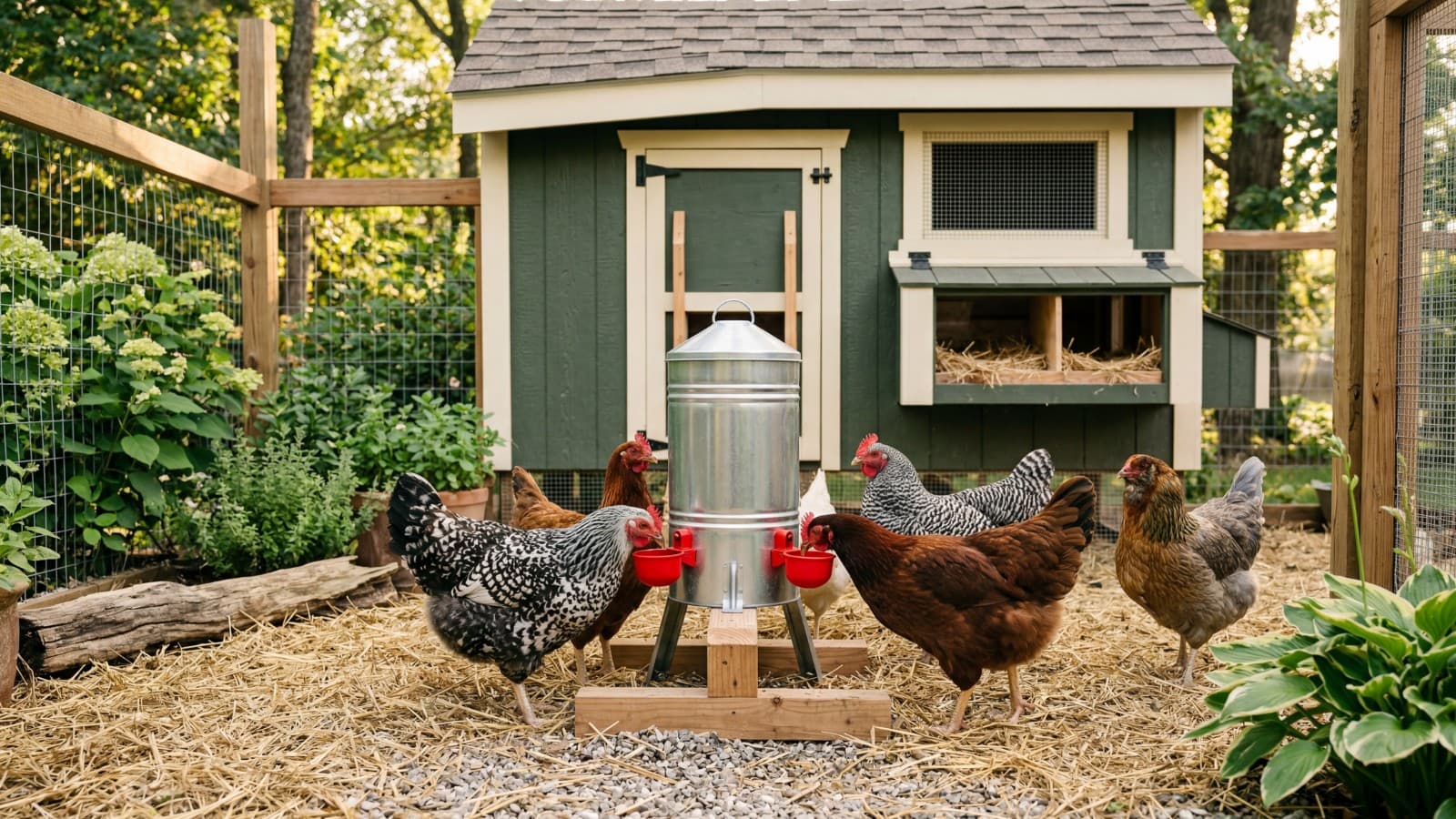
For most beginners, starting with a flock of 3 to 6 chickens is the absolute sweet spot. This number satisfies the chickens' social needs, allowing them to form a stable pecking order and feel secure. A flock of this size is easy to manage in a standard suburban yard, doesn't require a massive walk-in coop, and produces a manageable number of fresh eggs for a typical family. Starting with 4 or 5 is ideal.
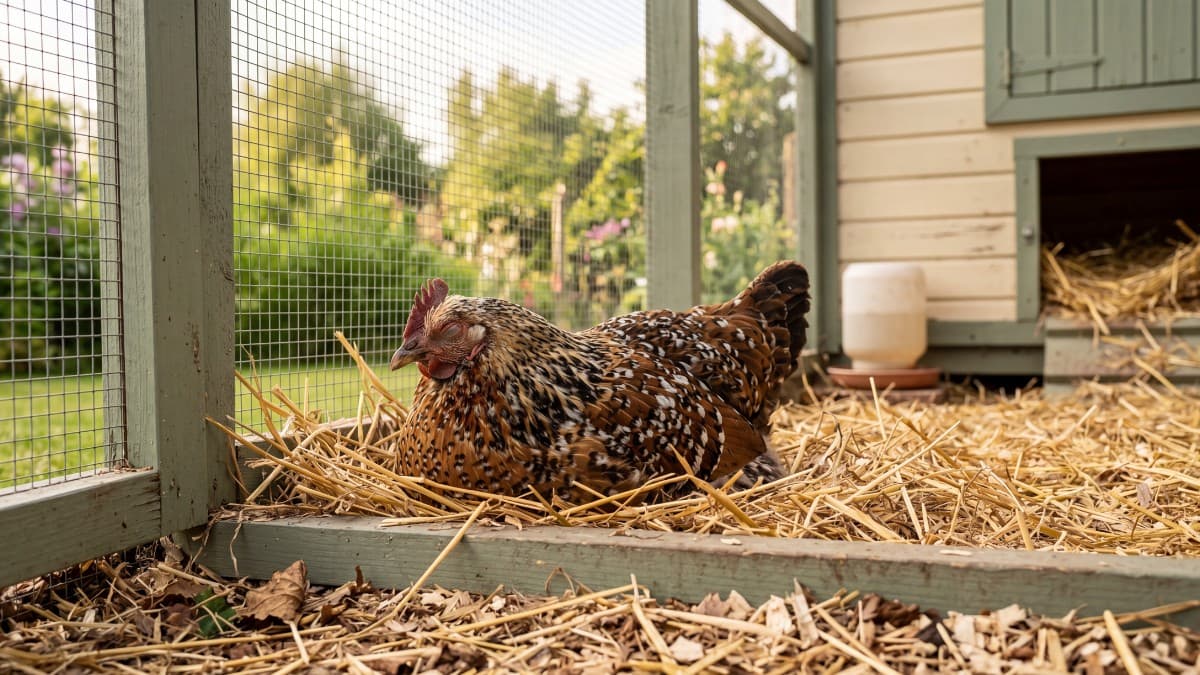
Starting with four or five birds is highly recommended because it provides a safety buffer. If you experience a loss due to a predator or disease, the remaining birds still have a stable social group, preventing the severe stress that happens when a hen is left entirely alone. It also gives you a steady egg supply without overwhelming your kitchen with a surplus during peak spring laying.
A flock of 4 to 6 birds is also much easier to integrate new pullets into in the future. If you start with only three birds and want to add more later, the existing hens can be highly aggressive toward the newcomers. A slightly larger flock has more relaxed social dynamics, making introductions less stressful.
Check local rules first
Before purchasing any birds, check your local city ordinances, municipal codes, and homeowner association rules regarding backyard poultry. Many urban and suburban areas limit the number of hens you can keep (often capped at 4 or 6) and strictly ban roosters due to noise concerns. You must also comply with setback rules, which specify how far a coop must be from property lines. These vary significantly by town.
Failing to check these rules beforehand can lead to fines and having to rehome your flock. Setback rules often require coops to be placed 20 to 50 feet away from neighboring houses, which can dictate where you can place your coop in a small suburban backyard. Be sure to discuss your plans with neighbors to maintain good relationships before bringing birds home.
Setback requirements can also affect coop design, as some towns require coops to be placed 50 feet away from neighboring residential windows. This can limit where you can build in a small yard, making compact coops necessary. Check zoning codes carefully to ensure you build your setup in a compliant location.
Match flock size to egg needs
To determine your flock size, match it to your household's weekly egg consumption. A healthy, young laying hen produces about 4 to 5 eggs per week. A flock of 3 hens will yield about a dozen eggs a week, which is perfect for a single person or couple. A flock of 6 hens will yield about two to three dozen eggs a week, which easily feeds a larger family or allows you to share with neighbors. Plan for seasonal drops.
Keep in mind that egg production is highest in the first two years and slows down during the autumn molt and winter months. If you are avid bakers or consume eggs daily, planning for a slightly larger flock (5 or 6 hens) ensures you have a reliable supply year-round. It is best to choose highly productive breeds if your primary focus is egg yields.
If you plan to sell fresh eggs to neighbors or friends, you will need a larger flock of at least 8 to 10 hens to ensure a steady surplus. A flock of this size produces about 3 to 4 dozen eggs a week, providing plenty of eggs for your family while generating a small income to help offset your monthly feed costs.
Match flock size to space
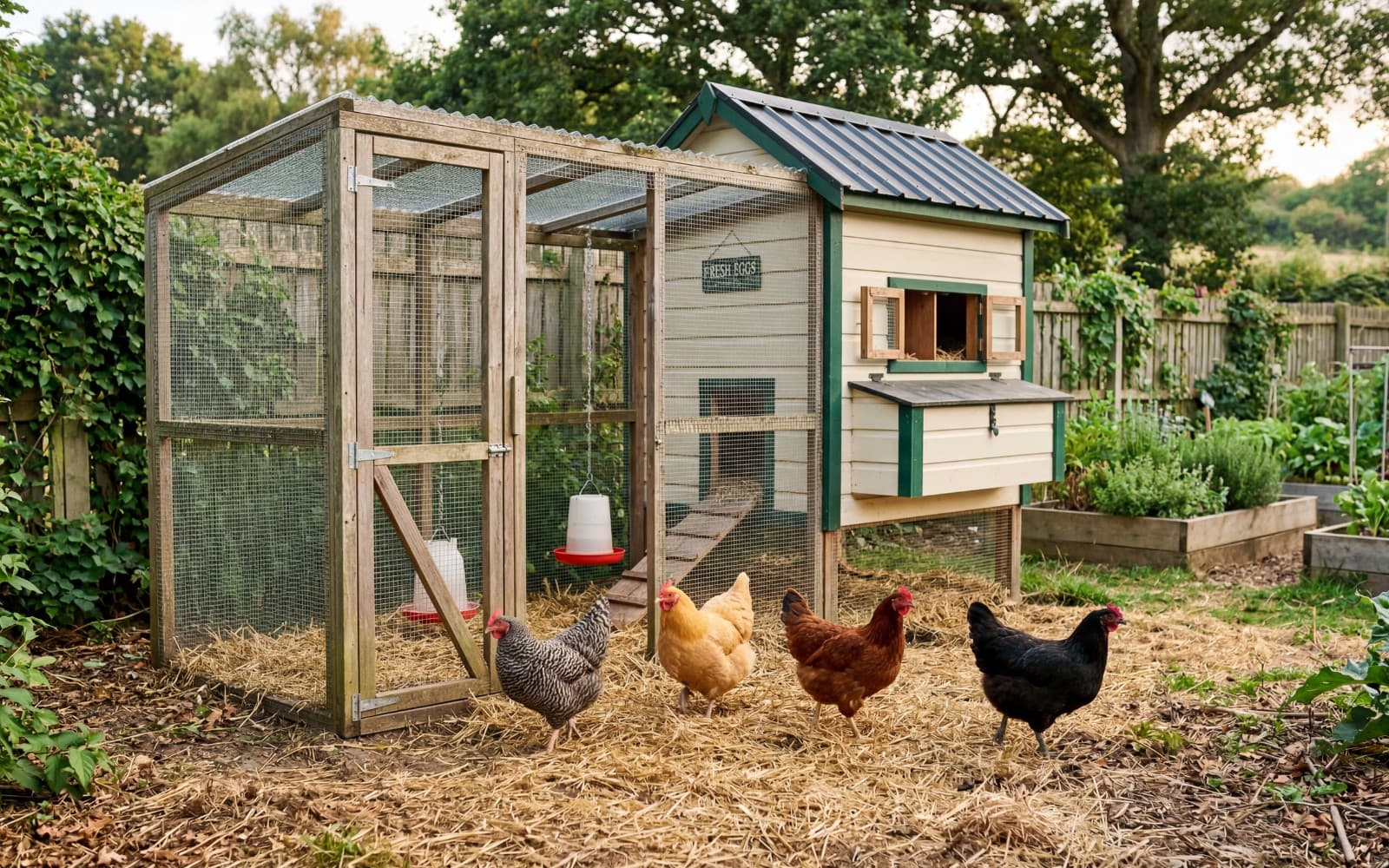
Your available yard space is a hard limit on flock size. Standard-sized chickens require at least 3 to 4 square feet of interior coop space and 10 square feet of run space each. If you want a flock of 6 hens, you must have a coop that is at least 24 square feet (such as a 4x6 foot build) and an outdoor run that is at least 60 square feet. Overcrowding leads to stress, feather-pecking, and disease. Run size must be secure.
If you have a small yard, keeping bantam breeds is a great alternative, as they require about half the space of standard hens. Ensure your run is fully enclosed and protected from predators, and that the ground material drains quickly to prevent muddy conditions. Overcrowding also accelerates ammonia buildup, making cleaning chores far more frequent and difficult.
Match flock size to budget
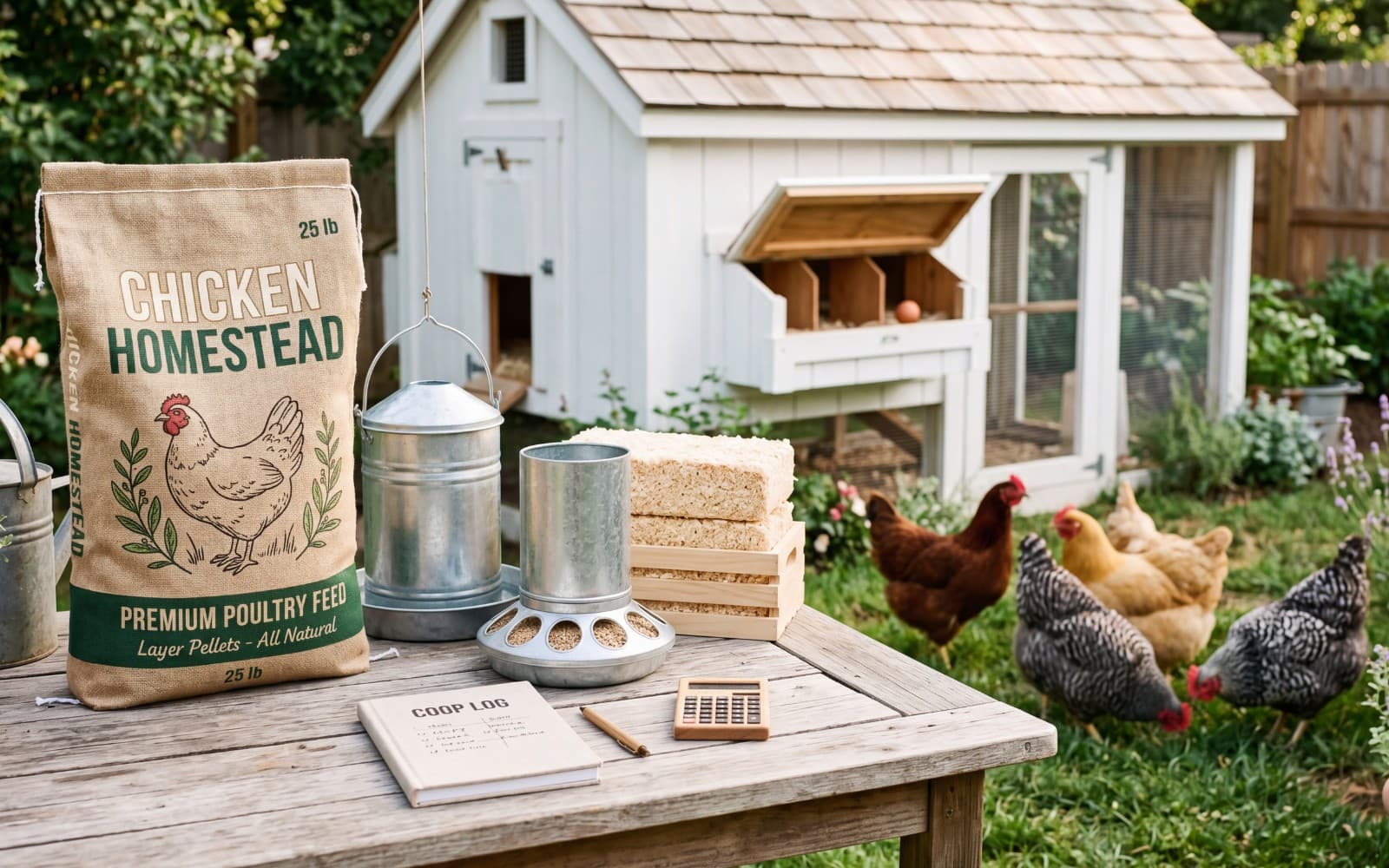
The initial budget for keeping chickens scales directly with the size of your flock. A larger flock requires a larger, more expensive coop and run, higher feed consumption, and more bedding material. A 50-pound bag of commercial layer feed will last four hens about six weeks, whereas a six-hen flock will consume it in a month. Veterinary expenses and parasite treatments also increase with more birds. Starting with a smaller flock of three or four hens helps keep initial setup and monthly maintenance costs low while you learn the ropes of backyard poultry keeping.
A note on flock dynamics
Flock dynamics are much simpler to manage in a small group of three to six birds. Chickens establish a social pecking order within their first few days together. In small groups, this hierarchy stabilizes quickly with minimal aggression. In larger flocks of ten or more, pecking order disputes can become more complex and frequent, sometimes requiring you to isolate injured or bullied birds. Keeping your starter flock small ensures a peaceful coop environment and allows you to learn each hen's unique personality and behaviors without getting overwhelmed.
A practical recommendation by household
For a practical recommendation based on your household size: a couple who eats eggs occasionally will find three hens is the perfect starting size. A family of four that eats eggs daily should consider a flock of five or six hens. If you bake regularly or like to share fresh eggs with neighbors, start with six or more birds. For complete beginners who want to learn without a heavy workload, we recommend starting with a minimum of three hens, which ensures the birds have a healthy social group while keeping your daily chores quick and easy.
Frequently Asked Questions
Quick, practical answers to common questions about feeding this to chickens.
About the Author

Amy Schmelter is a lifelong chicken keeper raising a large flock in Florida and the author of the upcoming book What I Wish I Knew Before Getting Chickens. She started Chicken Homestead to share what actually works.
Disclosure
Some links on Chicken Homestead may be affiliate links. We only recommend products we’d use ourselves. See our affiliate disclosure for details.