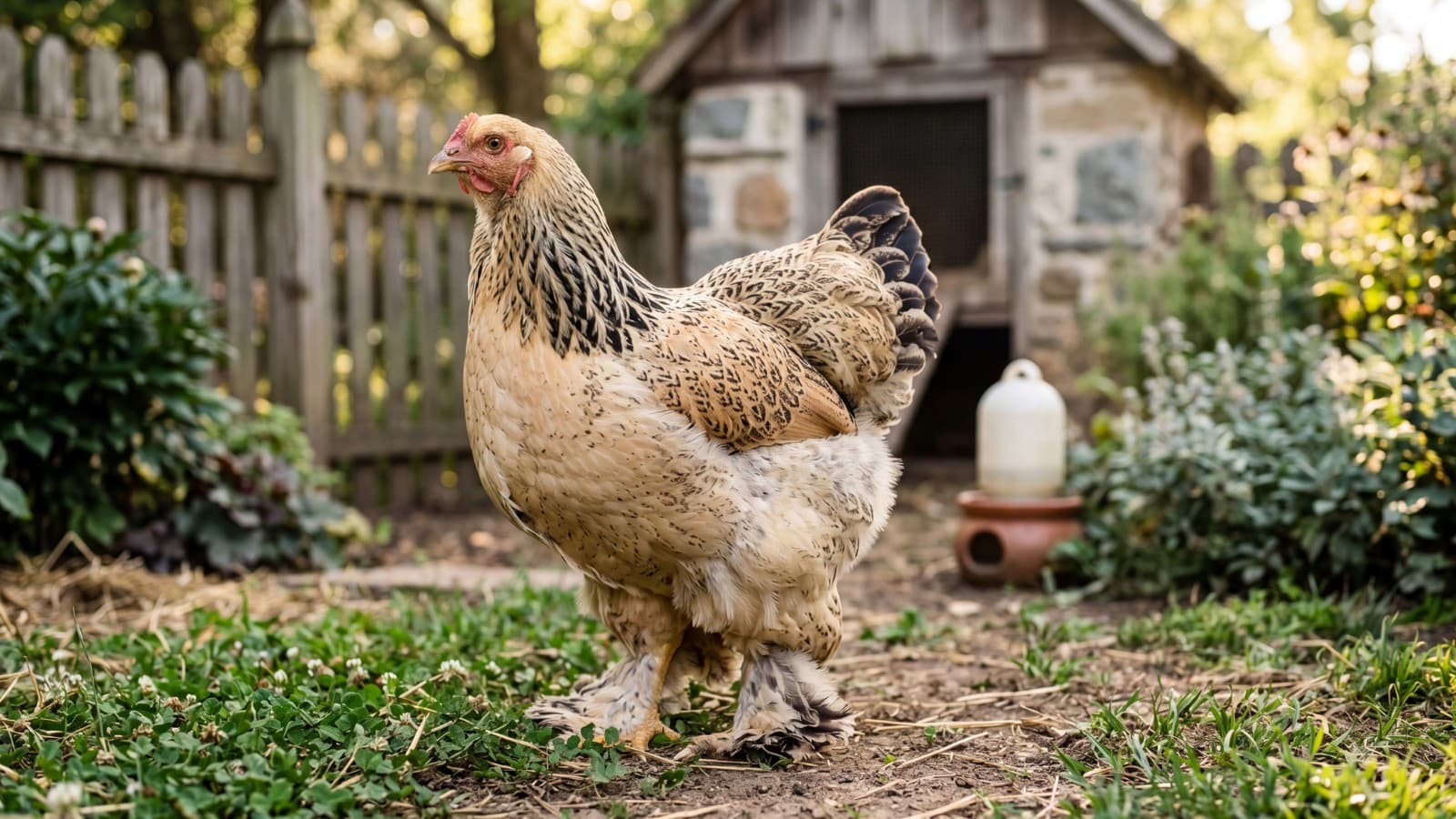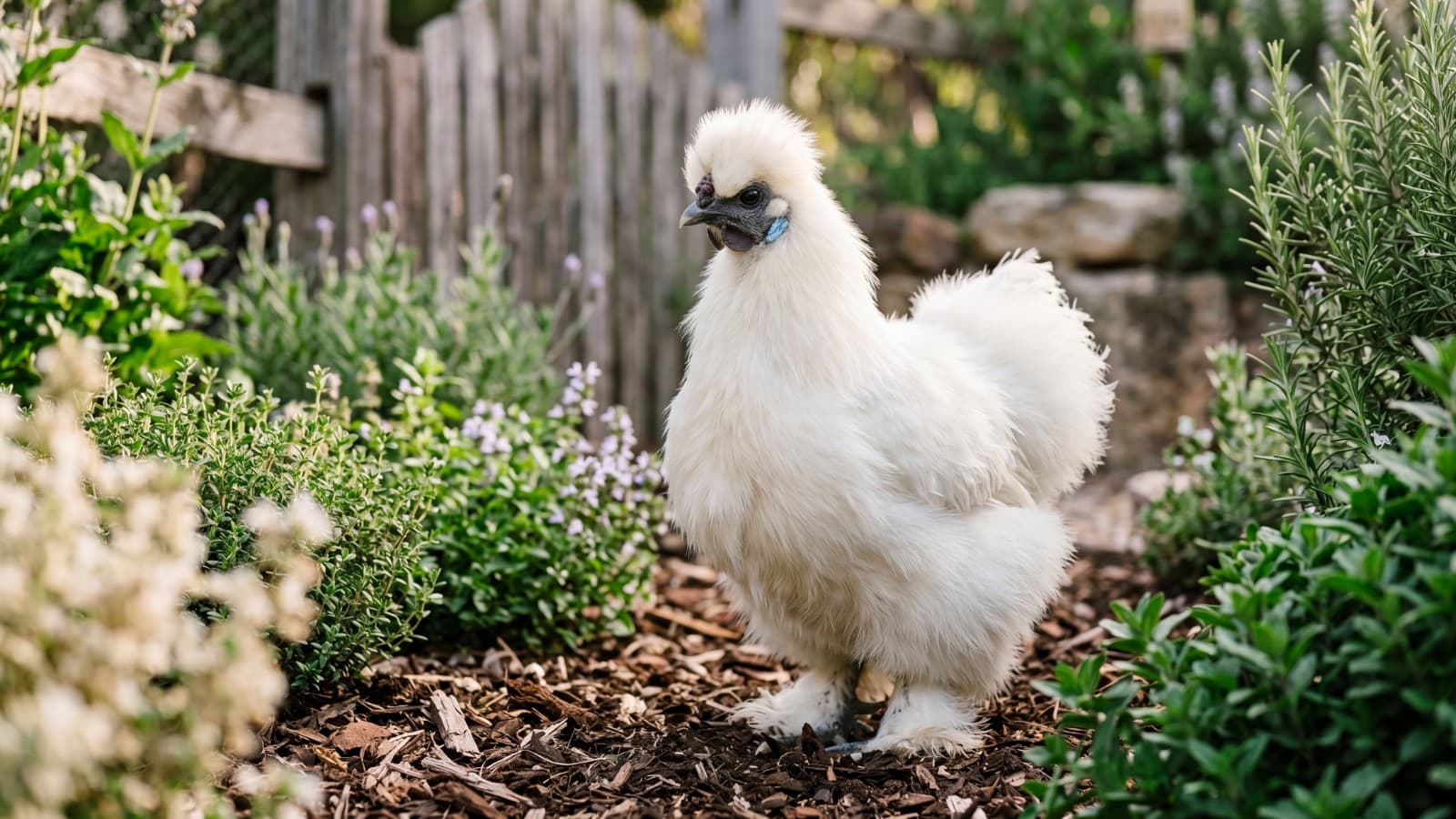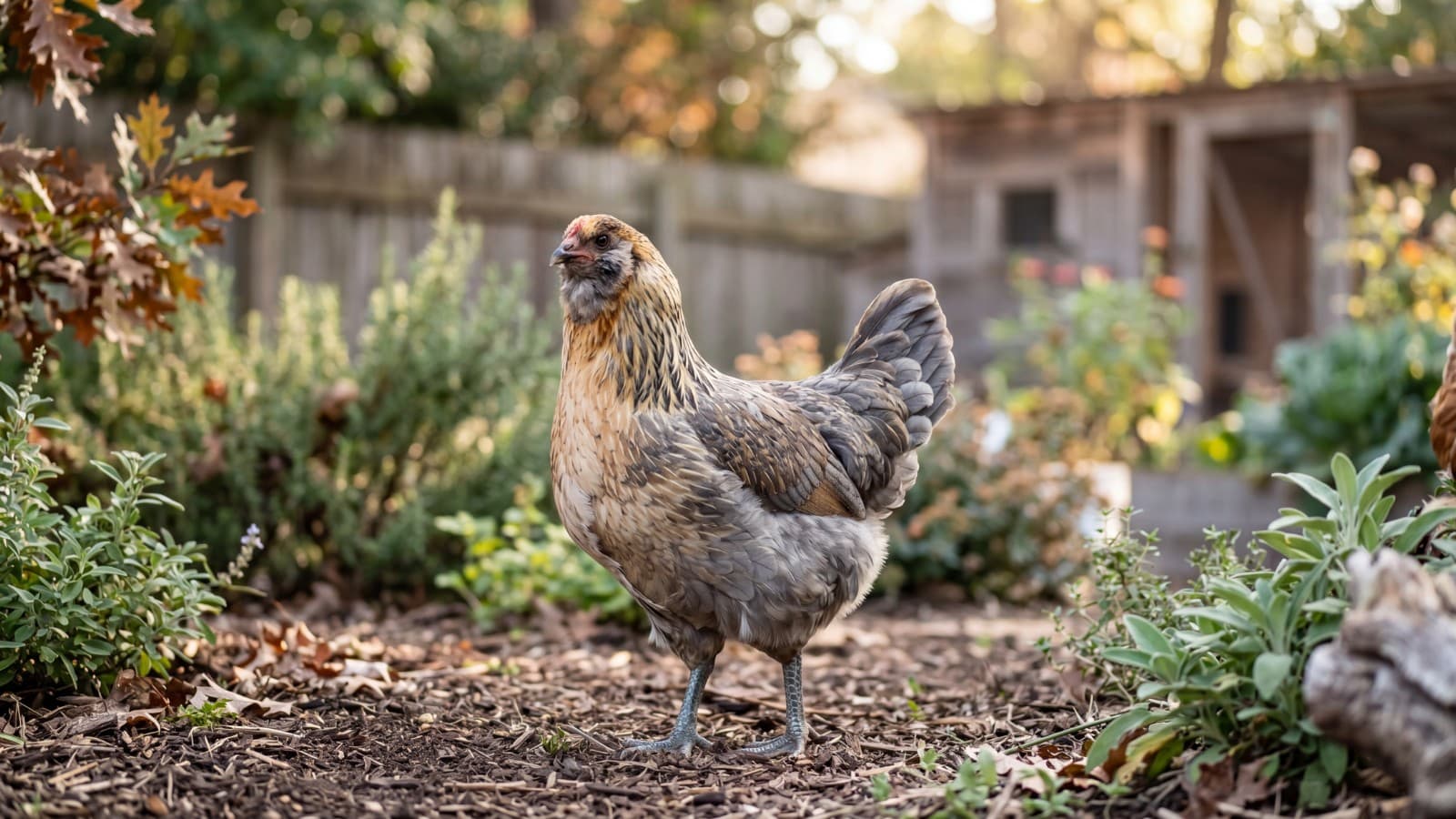
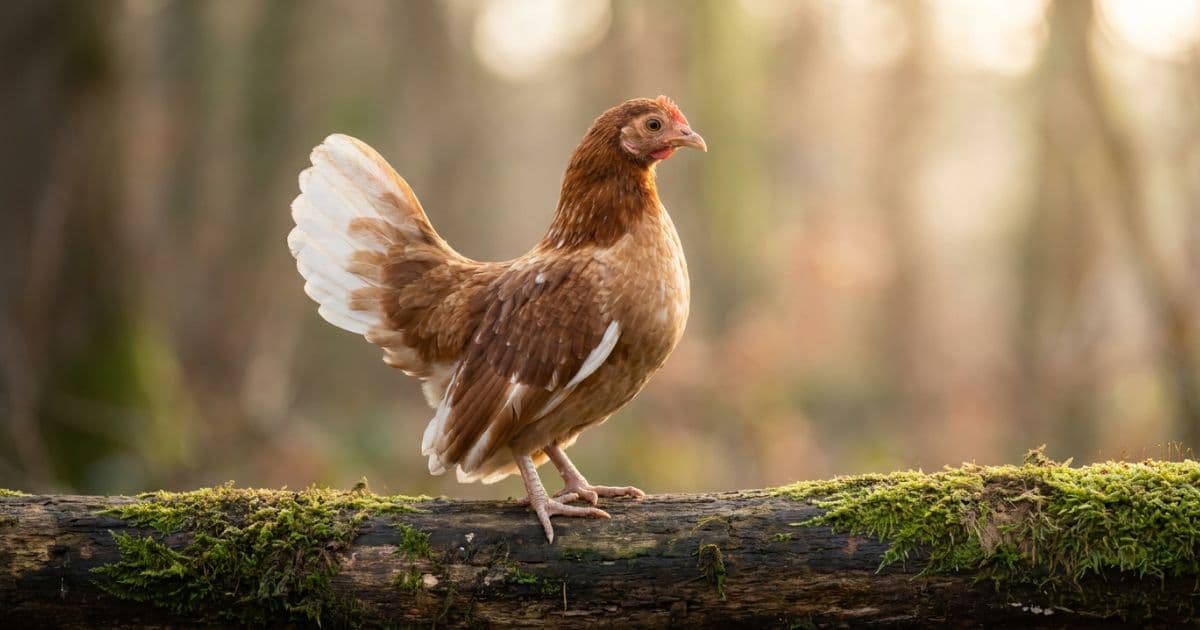
The Serama is a unique and fascinating addition to the poultry world, holding the title of the smallest chicken breed in existence. Developed in Malaysia in the late 20th century, they were bred primarily as ornamental show birds and companion pets. They are famous for their dramatic, upright posture, which resembles a tiny soldier on parade. Despite their miniature size, they have a bold, confident personality and a gentle nature that has made them immensely popular as indoor pets and show birds across the globe.
While they are incredibly charming, Seramas are not suited for standard backyard flock setups. Their tiny size makes them easy prey for small predators and vulnerable to bullying by larger chickens. They also require specialized care during the winter, as they have zero tolerance for freezing temperatures. This profile covers their physical characteristics, temperament, laying habits, and care needs to help you decide if you can provide the specialized environment they require.
Serama at a glance
- Class: Single-comb-clean-legged (APA bantam)
- Hen weight: 8 to 12 ounces
- Rooster weight: 12 to 16 ounces
- Egg color: Cream to tinted
- Eggs per year: 50 to 100
- Egg size: Tiny
- Winter laying: Poor
- Cold hardy: Low (requires heat)
- Heat tolerance: Excellent
- Broodiness: High
- Lifespan: 6 to 8 years
Appearance and size
The appearance of the Serama is unlike any other chicken breed. They are characterized by an extreme, upright posture where their chest is pushed out high and forward, their head is held back almost touching their tail, and their wings are held vertically, nearly touching the ground. This V-shaped profile gives them a proud, alert, and almost regal stance. They have a small single comb, bright red wattles and earlobes, and clean, unfeathered legs.
Seramas are categorized into weight classes rather than a single standard, with the smallest birds (Class A) weighing under 12 ounces for roosters and 10 ounces for hens. They come in an endless variety of plumage colors and patterns, as they do not breed true for feather color. Their feathers are tight and close to their bodies, which helps them stay cool in hot weather but offers almost no protection against freezing cold. Their tiny, delicate frames require careful handling to avoid injury.
Temperament
Serama chickens have a bold, confident, and highly personable temperament. They are not skittish or flighty; instead, they are curious and brave, often showing zero fear of humans or larger animals. They are exceptionally docile and easy to handle, often allowing themselves to be carried in pockets or held on laps, making them popular household pets. Their expressive body language and active nature make them highly entertaining to watch.
However, their size represents a major safety hazard. Standard-sized chickens can easily injure or kill a Serama during normal pecking order disputes, so they must be housed in a separate, dedicated bantam area. They are very quiet birds, which is a major benefit for urban or indoor keepers. Their confident, interactive behavior makes them excellent show birds. If you want to see how their friendly temperament compares to other bantam options, see our guide on small chicken breeds.
Egg laying
Seramas are poor egg producers, kept primarily for ornament rather than laying. A healthy Serama hen will lay between 50 and 100 tiny cream-colored eggs per year, which equates to 1 to 2 eggs per week. They lay consistently in warm weather but will stop completely when temperatures drop. Their eggs are extremely small, with 4 to 5 Serama eggs equaling one standard chicken egg.
Serama hens have a high tendency to go broody and make excellent, attentive mothers. However, because of their tiny size, they can only sit on a few eggs at a time. The breed also carries a lethal hatching gene from its parent lines, which can lead to a higher rate of chick mortality in the shell. For keepers who prioritize egg production, Leghorns or hybrids are far better options. For details on top laying breeds, see our guide on best chicken breeds for eggs.
Climate hardiness
Seramas have excellent heat tolerance. Originating in tropical Malaysia, their small body mass and tight feathering help them stay cool during hot, humid summers. However, they must still have access to shaded areas and fresh water during extreme heatwaves.
In cold climates, Seramas require specialized care. They have almost no body fat and thin feathers, making it impossible for them to survive freezing temperatures without help. Keepers must house them in an insulated, draft-free coop with safe supplemental heating, or bring them indoors during winter. Keeping their environment warm and dry is critical for their health and survival.
Coop and care needs
- Low roost bars. Provide roost bars set very low (6 to 12 inches) or provide a flat platform with bedding, as they can easily injure themselves falling from high perches.
- Small nest boxes. Standard nest boxes are too large. Provide small, cozy boxes (8x8 inches) lined with soft bedding.
- Specialized predator-proofing. Because they are so small, the run must be fully enclosed with 1/4 inch hardware cloth to protect them from rats, weasels, and crows. Read our chicken coops guides.
- Indoor housing. Consider housing them in a rabbit hutch or indoor cage during cold winter months to keep them warm and safe.
Pros and cons
Pros: Extremely small size makes them easy to house, bold and exceptionally friendly temperament, excellent show birds and household pets, low noise levels.
Cons: Highly sensitive to cold weather (requires heat in winter), extremely vulnerable to predators and bullying, very low egg production, high chick mortality rate.
Who Seramas are best for
- Keepers looking for an ornamental pet chicken that can be kept in small spaces.
- Families with kids who want a tiny, gentle bird that is easy to handle.
- Warm climates or indoor keepers who can provide heated winter housing.
- Show poultry enthusiasts who want to participate in bantam exhibition. See best chickens for beginners.
Frequently Asked Questions
Quick, practical answers to common questions about feeding this to chickens.
About the Author

Amy Schmelter is a lifelong chicken keeper raising a large flock in Florida and the author of the upcoming book What I Wish I Knew Before Getting Chickens. She started Chicken Homestead to share what actually works.
Disclosure
Some links on Chicken Homestead may be affiliate links. We only recommend products we’d use ourselves. See our affiliate disclosure for details.