Starting a backyard chicken flock is an exciting journey, but choosing the right breeds from hundreds of options can feel overwhelming for beginners. The ideal starter chicken should be hardy, docile, easy to handle, and a reliable egg producer. Selecting peaceful, low-maintenance breeds makes the learning curve enjoyable and ensures your coop remains a quiet, stress-free environment. In this roundup, we review the top eight beginner-friendly chicken breeds and discuss how to pick the right mix for your backyard.
Having a mix of colors and personalities also adds a lot of visual excitement to your garden. Many beginners find that their chickens become beloved family pets that recognize their faces and come running when they see treats. Let's look at the best breeds to get you started.
What makes a breed beginner-friendly
A beginner-friendly chicken breed should possess three key traits: structural hardiness, a calm temperament, and low-flight tendencies. Hardy breeds tolerate both winter freezing and summer heat without needing specialized coop heaters or cooling equipment. A docile temperament ensures the birds are easy to catch for health checks and do not bully each other. Low-flight birds are heavy enough that they won't fly over a standard four-foot garden fence, saving you from neighborhood disputes.
Additionally, you should look for breeds that have a reputation for steady egg laying, as getting fresh eggs is highly rewarding. Quiet breeds are also a major plus if you live in a suburban neighborhood with close neighbors, as high-strung, loud birds can lead to complaints. A solid starter breed handles change well.
Buff Orpington
The Buff Orpington is the gold standard for beginner chickens. Known as the 'golden retrievers' of the chicken world, these large, fluffy yellow birds are incredibly affectionate and love to follow their keepers around the yard looking for treats. They are quiet, adjust well to confinement, and lay about 200 large brown eggs a year. Their dense feathers keep them warm in winter, though they need shade in summer.
They have a very soft, round appearance because of their heavy feathering. They are highly patient with young children and will often allow themselves to be held and carried around the yard. Their gentle nature makes them a perfect centerpiece for a family-friendly flock.
Plymouth Rock
Barred Plymouth Rocks (often called Barred Rocks) are sturdy, reliable, and highly practical birds for first-time keepers. They feature striking black-and-white striped plumage and a calm, curious disposition. Barred Rocks are highly active foragers that enjoy exploring the yard but handle confinement easily. They are very consistent layers, producing about 200 to 280 large brown eggs annually, and their robust health means they rarely get sick.
They have an outgoing, friendly personality and are known to be highly inquisitive, often checking out whatever garden chores you are working on. They get along well with other breeds and are very cold-hardy, adapting well to freezing northern winters without issues.
Rhode Island Red
Rhode Island Reds are famous for their tough-as-nails attitude and incredible laying capacity. These deep-rust-colored hens are highly energetic and can lay up to 300 large brown eggs a year, even continuing through poor weather. While they are exceptionally hardy and easy to feed, they can sometimes be bossy with gentler breeds. They are best suited for beginners who want maximum egg yields and have plenty of run space.
They are highly active and alert, making them great at evading predators in free-range setups. Because they are self-sufficient, they require very little hand-holding. They are the ultimate workhorse breed for anyone who wants a steady supply of eggs.
Australorp
The Black Australorp is an Australian breed renowned for its quiet demeanor and stellar egg production. They hold the world record for egg laying, and in a backyard setting, they reliably deliver 250 to 300 large brown eggs per year. Their glossy black feathers shine with an iridescent green sheen in the sunlight. Australorps are very gentle, rarely make noise, and are an excellent choice for quiet suburban neighborhoods.
They have a calm, solid presence and integrate peacefully into mixed-breed setups. They handle confinement very well and are highly food-efficient. Their docile nature makes them a favorite for backyard keepers who want a productive, low-maintenance flock.
Wyandotte
Wyandottes are beautiful, round birds with striking laced feather patterns that add visual style to any flock. They have a flat rose comb, which is highly resistant to frostbite, making them ideal for cold northern climates. Wyandottes have an independent, self-reliant personality; they are not clingy lap chickens, but they are peaceful and low-maintenance. They lay around 200 large brown eggs per year.
They are sturdy, heavy birds that are highly capable of defending themselves in the pecking order. Their laced plumage comes in several gorgeous colors, including Silver Laced and Golden Laced. They add a classic, heritage look to your backyard coop.
Brahma
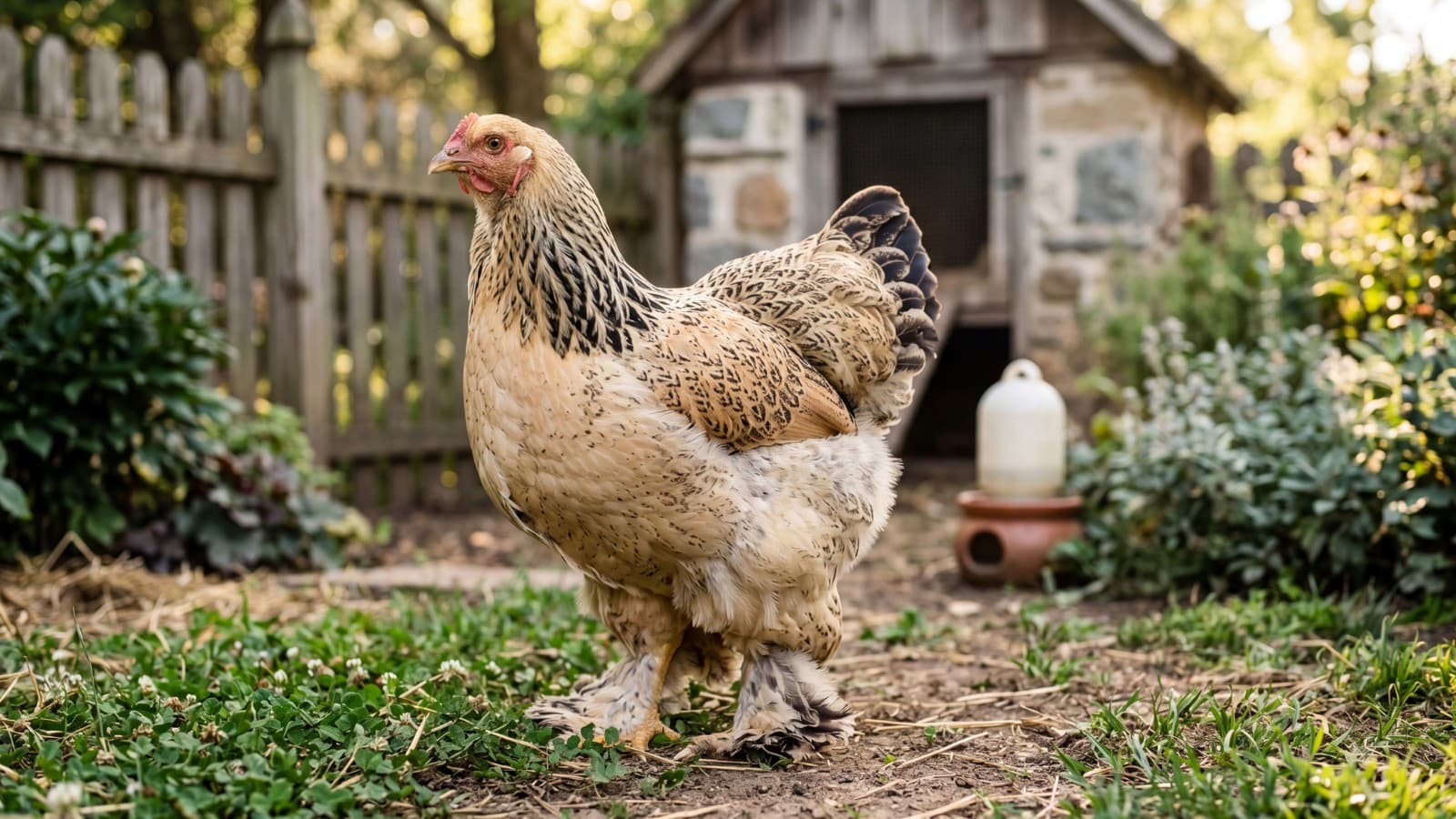
Brahmas are massive, gentle giants that bring a calm presence to the coop. Featuring feathered legs and feet, they are incredibly docile and make wonderful pets for children. Because they are so heavy, they cannot fly, meaning you do not need high fences. They are exceptionally cold-hardy and lay reliable brown eggs throughout the winter when other breeds slow down, producing about 140 eggs a year.
Their slow, stately walk and majestic appearance make them highly popular. They require a dry run to prevent mud from balling up on their feathered feet. Despite their large size, they are very quiet and have a soft, quiet cluck.
Easter Egger
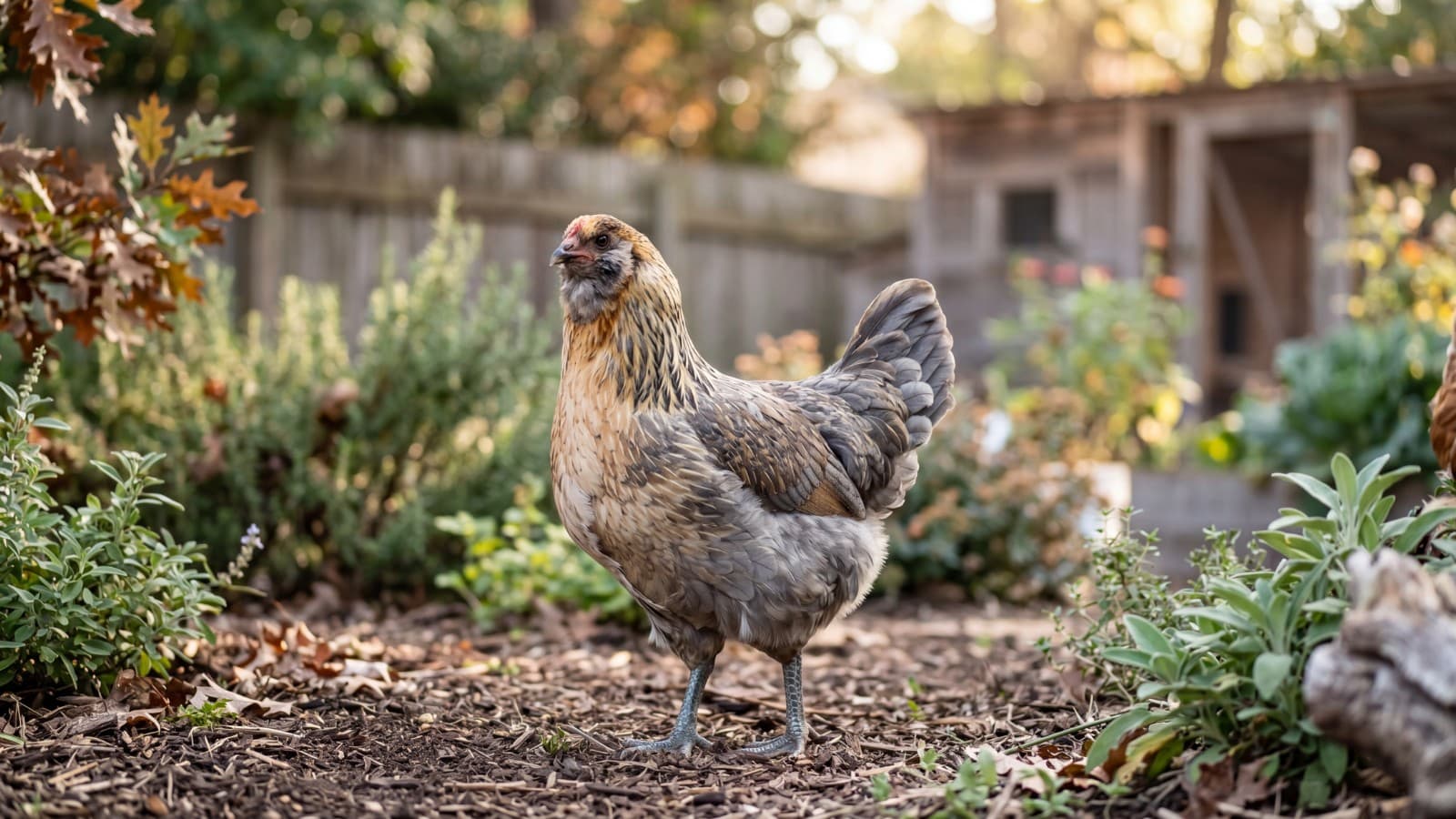
Easter Eggers are a favorite for beginners because they lay colorful eggs in shades of blue, green, and olive. These birds are hybrid crossbreeds rather than a pure breed, resulting in a fun variety of colors and feather patterns. They are active, friendly, and highly curious chickens that love to interact with their keepers. They lay around 200 colorful eggs per year, adding excitement to every trip to the nest box.
They have funny muffs and beards that give their faces a puffy, chipmunk-like look. They are very hardy in both hot and cold climates and are highly active foragers. Each hen will lay one specific egg color for her entire life, creating a beautiful basket.
Silkie
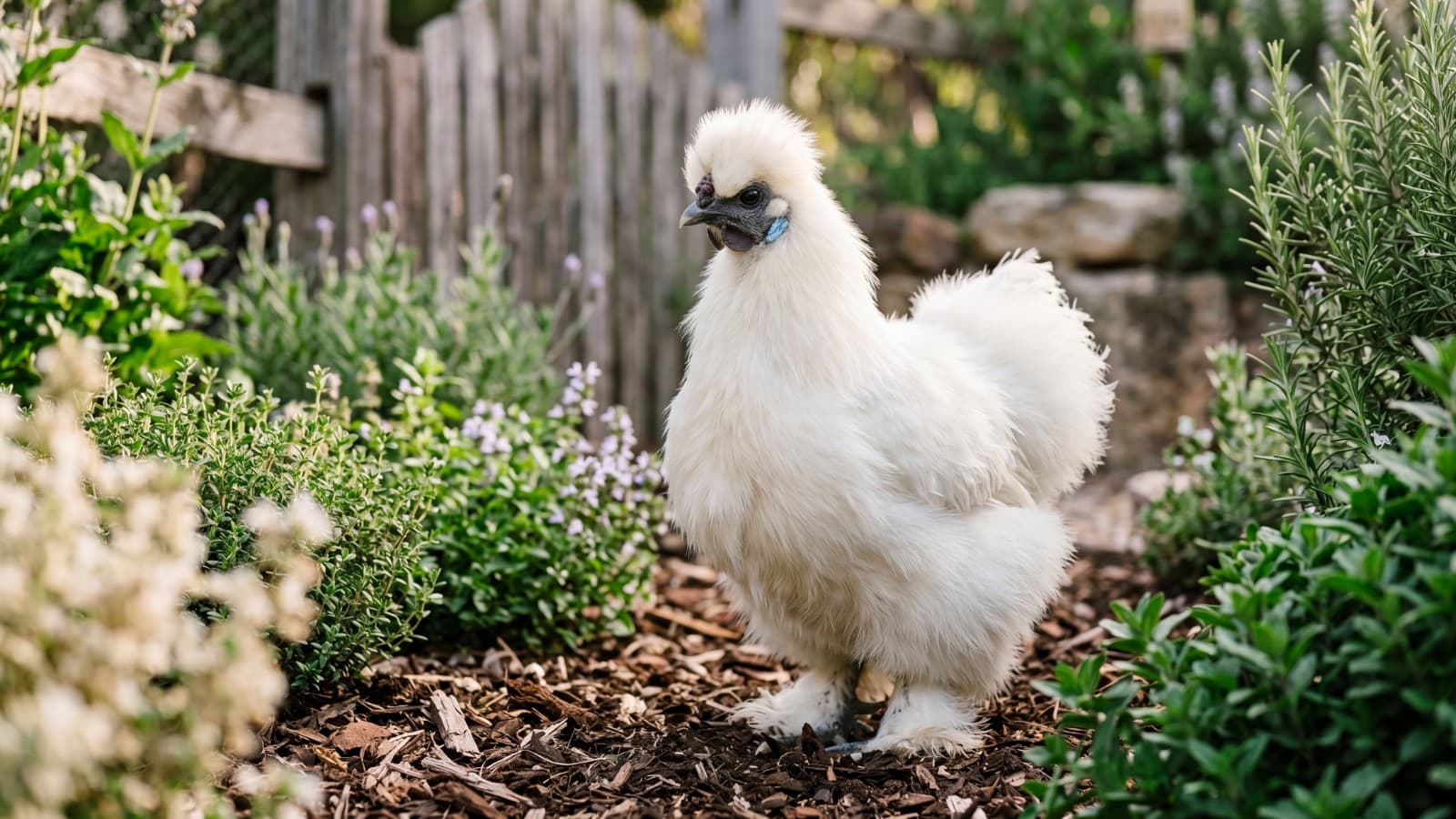
Silkies are small bantam chickens that look like puffballs with fur. They are incredibly sweet, docile, and are the closest thing to a lap-pet in the chicken world. Because they cannot fly and are small, they require very little space. While they only lay about 100 small eggs a year and are prone to going broody, their gentle nature makes them perfect for children and small backyard setups.
Their feathers lack the tiny hooks that hold standard feathers together, giving them their characteristic fur-like texture. They have black skin, bones, and five toes. They are content to sit quietly in your lap, making them a favorite family pet.
How to pick for your situation
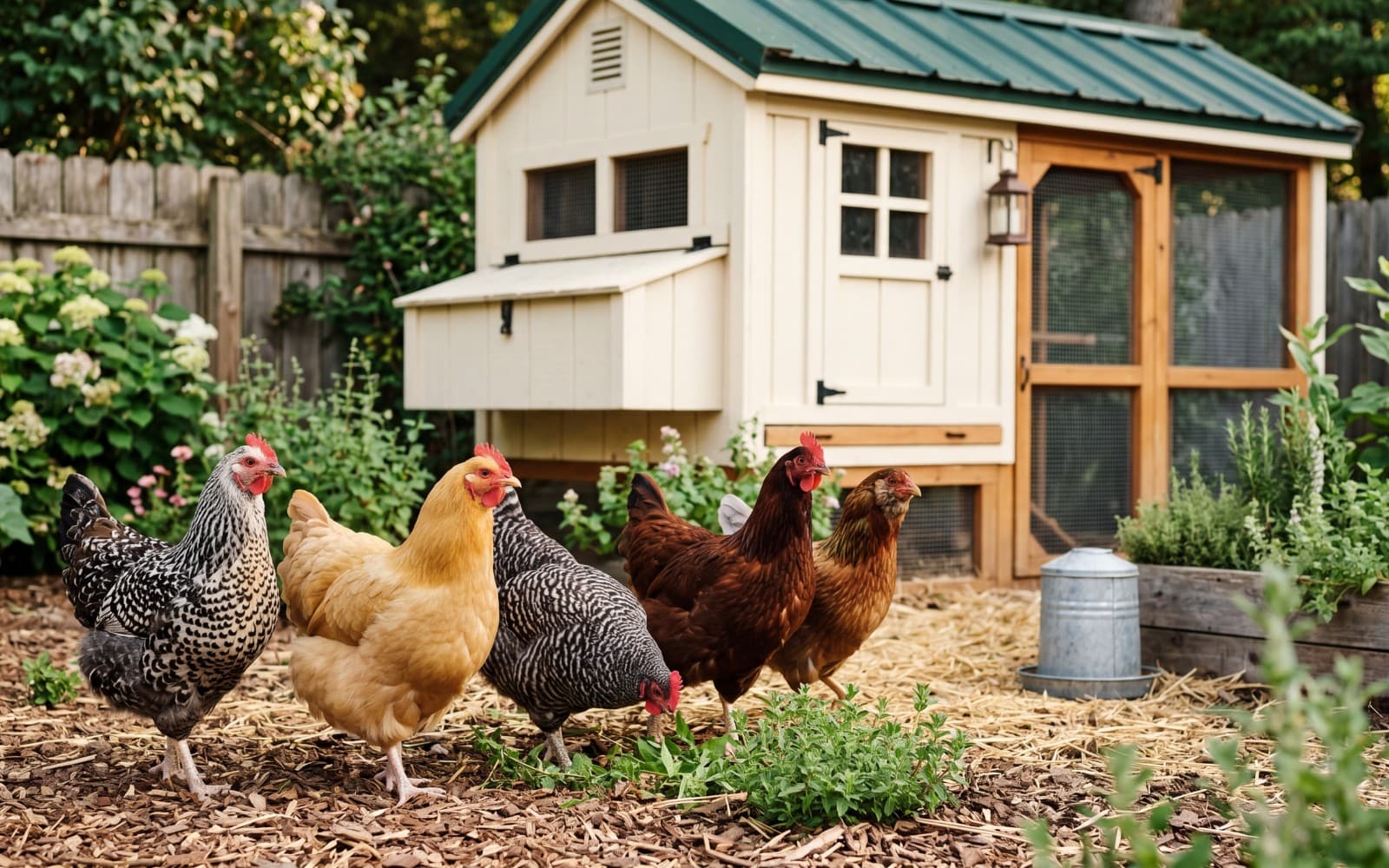
When selecting your first flock, it is best to choose three or four different friendly breeds rather than just one. Having a mixed flock makes it easy to identify individual birds by their looks and allows you to enjoy a variety of egg colors in your basket. Ensure that you mix breeds with similar calm temperaments, such as Orpingtons, Australorps, and Easter Eggers, to maintain a peaceful pecking order in the run.
Avoid mixing very small, delicate bantams with aggressive standard breeds. Make sure you calculate your space requirements carefully, allowing 4 square feet of coop space per bird. Providing adequate feeder space also helps prevent feeding-time bullying.
Frequently Asked Questions
Quick, practical answers to common questions about feeding this to chickens.
About the Author

Amy Schmelter is a lifelong chicken keeper raising a large flock in Florida and the author of the upcoming book What I Wish I Knew Before Getting Chickens. She started Chicken Homestead to share what actually works.
Disclosure
Some links on Chicken Homestead may be affiliate links. We only recommend products we’d use ourselves. See our affiliate disclosure for details.