The Cochin is one of the most famous and influential heritage chicken breeds in poultry history. Imported from China to Europe and North America in the mid-19th century, Cochins (then called Shanghai chickens) created a sensation known as 'Hen Fever.' Their massive size, dense feathering, and friendly personalities completely transformed the poultry industry, moving chickens from utility farm animals to prized exhibition and backyard pets. Today, Cochins are cherished by keepers who value a calm, beautiful flock and want affectionate, family-friendly birds.
Cochins are dual-purpose heritage birds, but their heavy build and slow movement mean they require specialized care. Their feet are fully feathered, and they are completely flightless, which affects how you design their coop. This profile covers their physical characteristics, egg laying, temperament, and care requirements to help you decide if Cochins are the right gentle giants for your backyard.
Cochin at a glance
- Class: Asiatic (APA heritage)
- Hen weight: 8 to 8.5 pounds
- Rooster weight: 10 to 11 pounds
- Egg color: Light brown
- Eggs per year: 150 to 180
- Egg size: Medium
- Winter laying: Below average
- Cold hardy: Very good (if kept dry)
- Heat tolerance: Poor
- Broodiness: Very high
- Lifespan: 8 to 10 years
Appearance and size
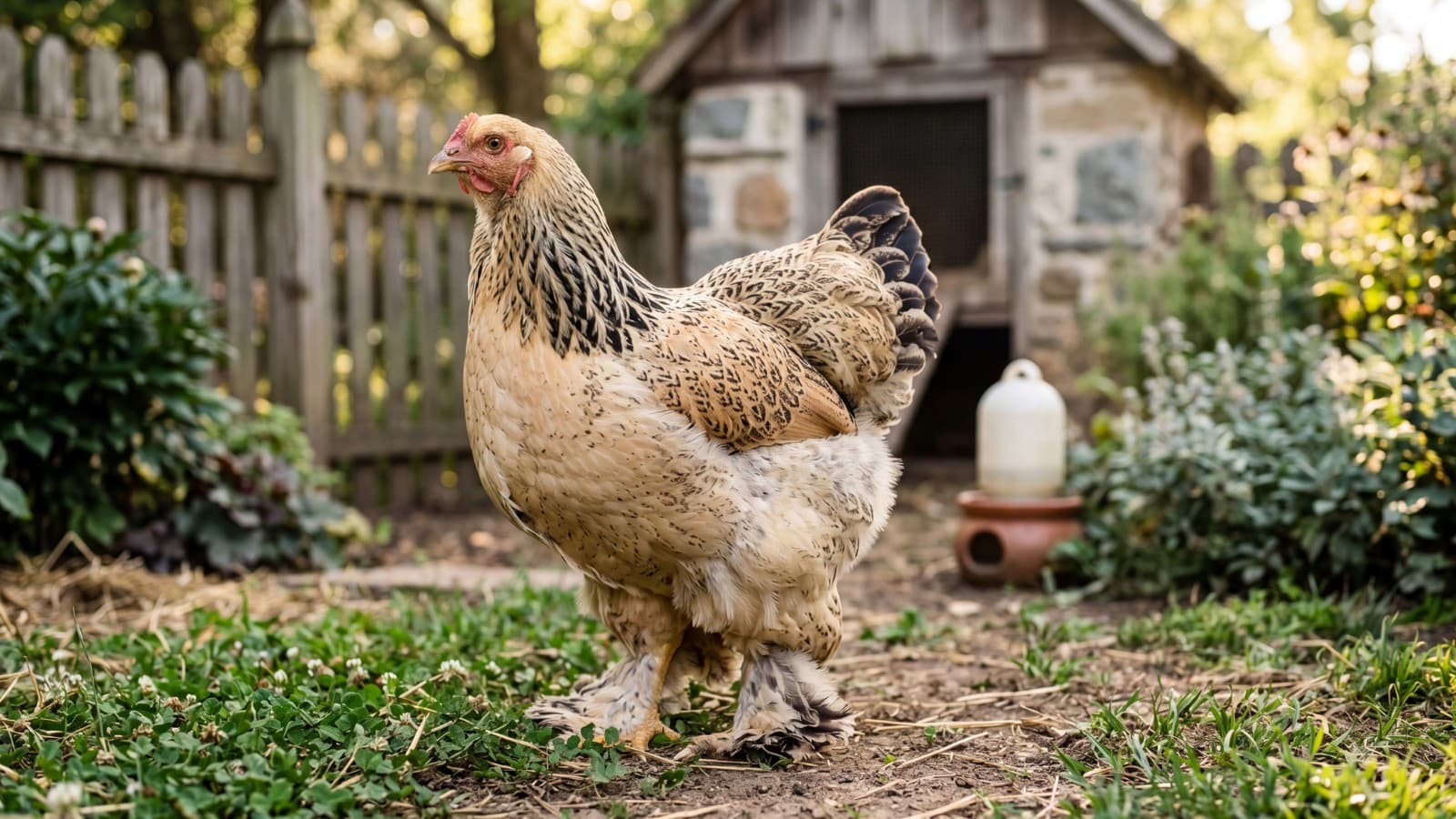
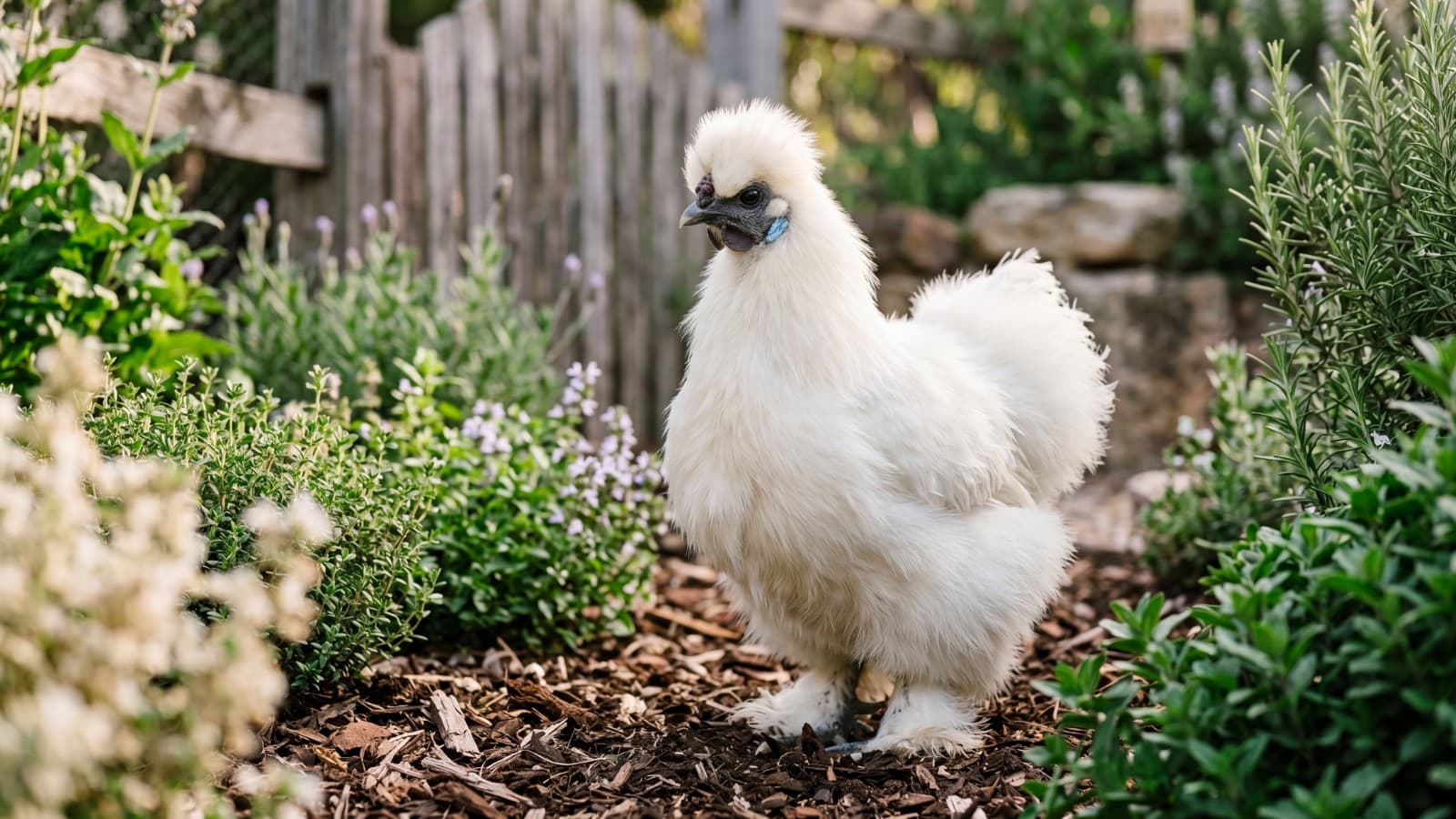
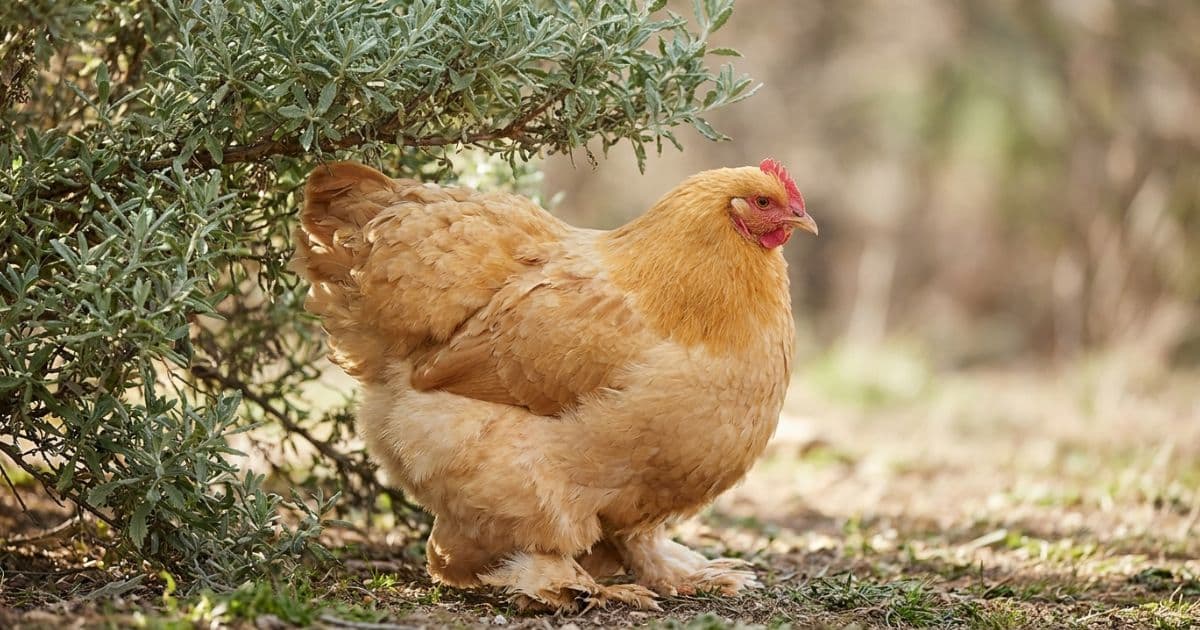
Cochins are massive, rounded birds with a heavy layer of down feathers that makes them look even larger than they are. They have a short, broad body with a deep chest and a very full cushion of feathers over their backs and tails, giving them a distinct spherical silhouette. Their most defining feature is their heavy feathering on their legs and feet, which extends all the way down their outer toes, leaving only the inner toes clean. This dense plumage gives them a feathered slipper look.
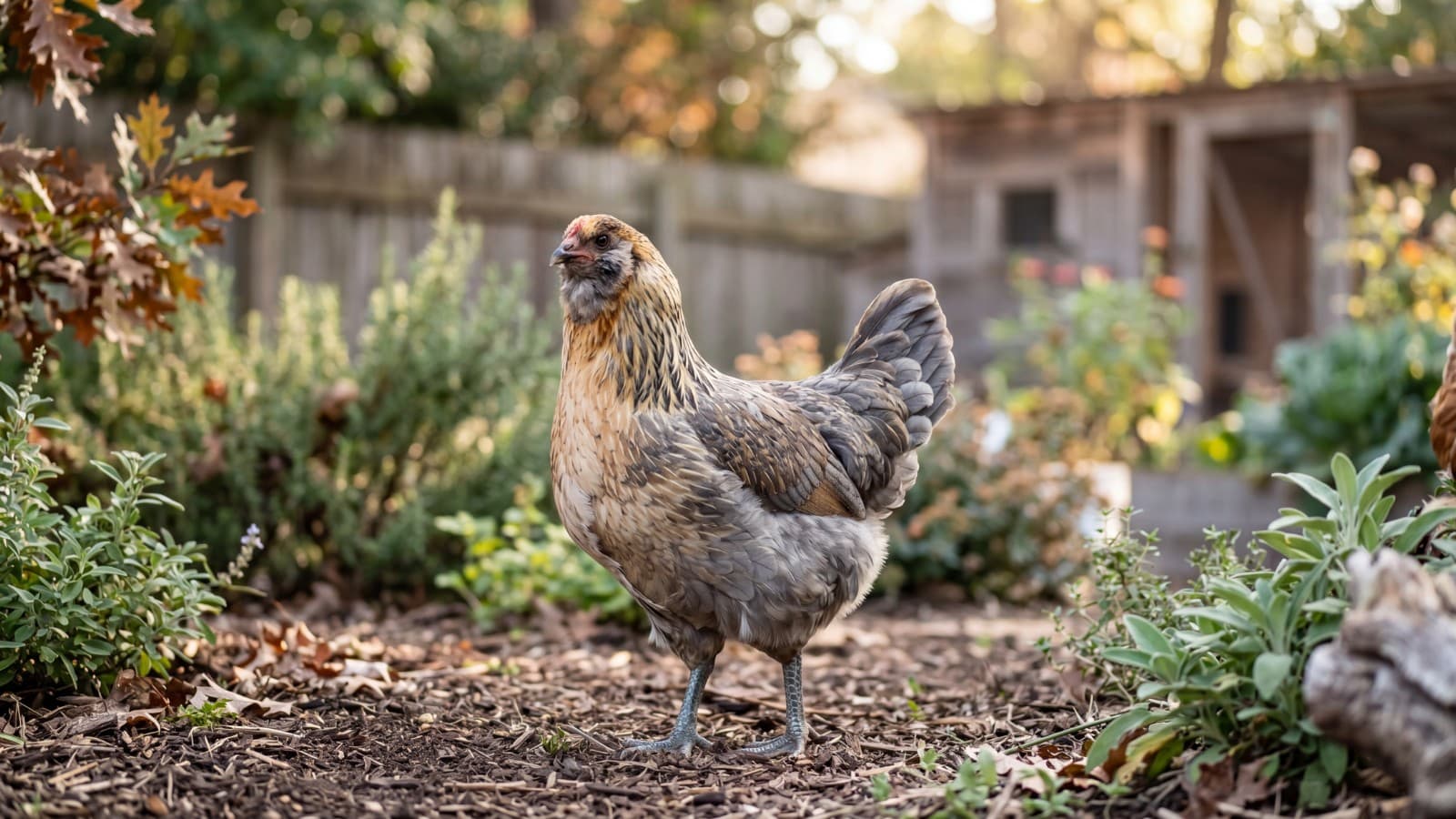
They have a medium-sized single red comb, and clean slate-blue, yellow, or dark shanks depending on the color variety. They are recognized in a wide range of colors, including buff, black, blue, white, splash, and partridge, and they come in both standard and bantam sizes. Standard Cochin hens are quite substantial, weighing around 8 to 8.5 pounds, while roosters grow to 10 to 11 pounds. Their feathers are soft, loose, and fluffy, which keeps them well-insulated in cold weather but makes them highly sensitive to wet and mud.
Temperament
Cochin chickens have an exceptionally sweet and docile temperament. They are unusually calm, slow-moving, and placid birds that seem to enjoy human contact more than almost any other breed. They are very easy to catch, hold, and handle, making them a top choice for families with young children or keepers looking for gentle lap pets. They are peaceful flock members and rarely engage in pecking order conflicts, often settling into the bottom of the pecking order.
Because they are slow and heavy, they cannot fly and will not attempt to scale fences. This makes containing them simple, but it also leaves them vulnerable to ground predators, so a secure, enclosed run is necessary. They are quiet hens that spend their days slowly foraging or resting in shaded areas. Their low noise levels and sweet nature make them highly suitable for suburban setups. If you want to compare their friendly behavior with other popular breeds, see our guide on friendliest chicken breeds.
Egg laying
As layers, Cochins are moderate producers. They lay between 150 and 180 medium-sized light brown eggs per year, which equates to 2 to 3 eggs per week. They mature slowly, often starting to lay around 24 to 28 weeks of age. Unlike production hybrids, they do not lay well during the winter months, and their frequent broody spells will cause long pauses in their egg production.
Cochins are famous for their strong broody instincts. A Cochin hen will readily sit on a clutch of eggs (including those of other breeds) and raise the chicks with outstanding care and attention. Their large, fluffy bodies can easily cover and insulate a large nest of eggs. For keepers who want to hatch and raise new flock members naturally, a Cochin is one of the best tools available. To see how their egg production compares with top laying breeds, read our guide on best chicken breeds for eggs.
Climate hardiness
Cochins are highly cold hardy, thanks to their dense plumage. Their heavy feathers provide excellent insulation against freezing winter temperatures. However, because their legs and feet are heavily feathered, they must be kept dry. Mud and moisture can freeze on their leg feathers, leading to frostbite on their toes or bacterial infections like scaly leg mites. A covered run and dry bedding are crucial in wet climates.
In hot weather, Cochins struggle due to their massive build and heavy feathering. They are highly susceptible to heat stress and heat stroke during summer heatwaves. Keepers must provide deep shade all day long, multiple water sources filled with cool, clean water, and a shaded dust bath area where they can cool their bodies. Providing frozen treats can also help them manage high temperatures.
Coop and care needs
- Lower roost bars. Because they are heavy, flightless birds, set roost bars low (around 12 to 18 inches) or provide a sturdy ramp. Heavy bedding on the floor is also acceptable. See what should be inside a chicken coop.
- Wide nest boxes. Provide wide, low-profile nest boxes. Standard 12x12 inch boxes work, but a little extra room is appreciated by these large hens.
- Dry footing. Ensure the run drains well to keep their feathered legs clean and dry. Avoid muddy conditions that lead to leg sores. Read our chicken coops guides.
- High predator protection. Because they cannot fly to escape danger, ensure their run is fully enclosed and secure against ground predators.
Pros and cons
Pros: Exceptionally sweet and friendly temperament, beautiful fluffy appearance, very cold-hardy, excellent natural mothers, low roost needs makes coop design simple.
Cons: Moderate egg production, prone to frequent broodiness, feathered legs require a dry run, highly susceptible to heat stress in summer.
Who Cochins are best for
- Families with kids who want highly interactive and gentle pets.
- Beginner keepers looking for a hardy, friendly, and low-stress dual-purpose breed. See best chickens for beginners.
- Cold climates where dry runs can be maintained.
- Keepers who want a natural mother to hatch and raise new flock members.
Frequently Asked Questions
Quick, practical answers to common questions about feeding this to chickens.
About the Author

Amy Schmelter is a lifelong chicken keeper raising a large flock in Florida and the author of the upcoming book What I Wish I Knew Before Getting Chickens. She started Chicken Homestead to share what actually works.
Disclosure
Some links on Chicken Homestead may be affiliate links. We only recommend products we’d use ourselves. See our affiliate disclosure for details.