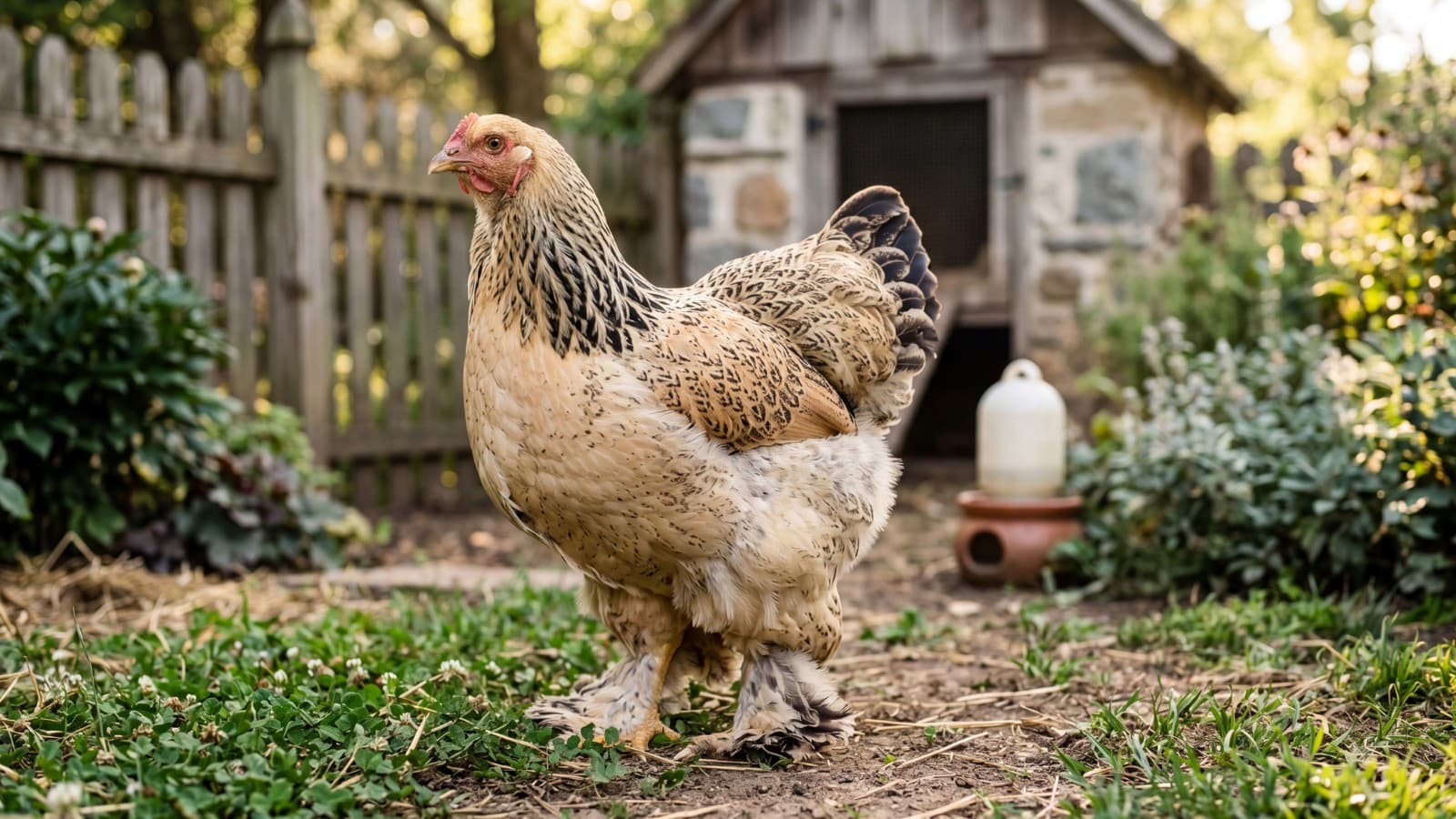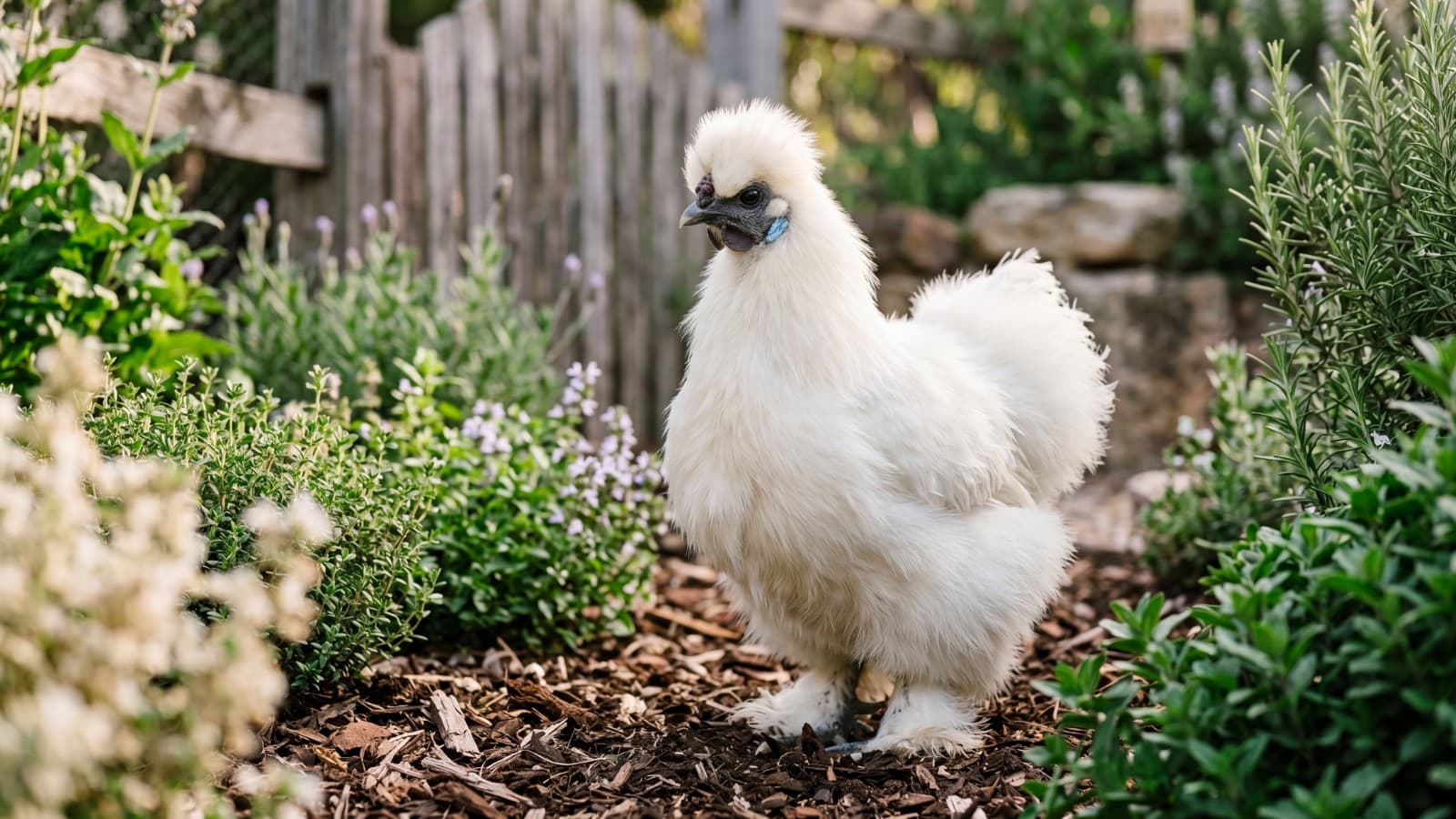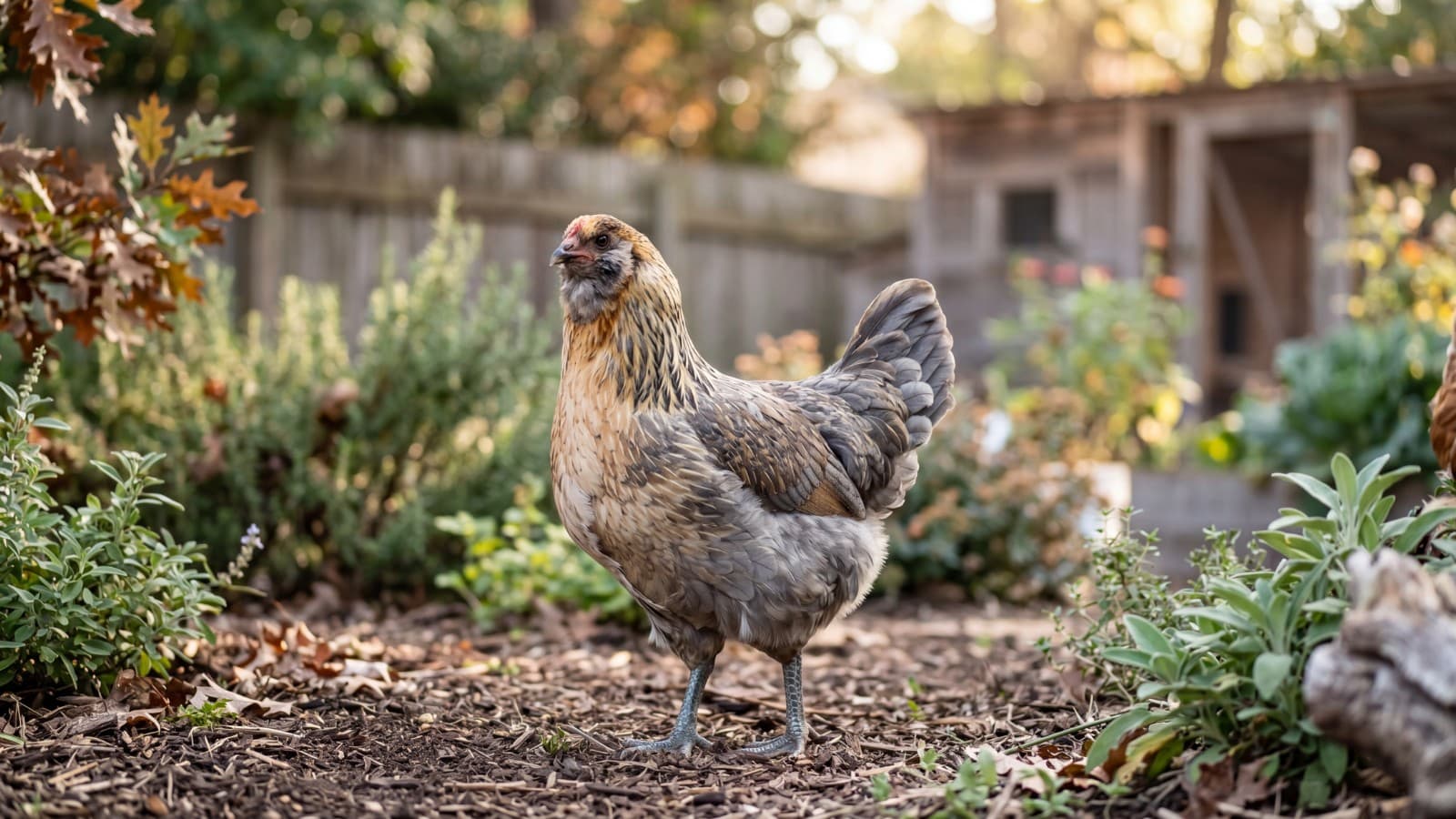
The Frizzle chicken is one of the most eye-catching and unusual birds you can add to a backyard flock. However, it is vital to understand that 'Frizzle' is not a distinct, standalone breed. Instead, it is a genetic feather modification caused by a single incomplete dominant gene (F) that causes the feather shafts to curl upward and outward rather than laying flat against the body. This gene can be bred into almost any standard chicken, but it is most frequently found in Cochin bantams, Polish, and Plymouth Rocks. In some countries, they are recognized as a breed class, but in the United States, they are shown under the parent breed's name with the frizzle designation.
While Frizzles are undeniably charming and popular as pets, their unique feathers represent a physical handicap. They cannot fly, have poor insulation against cold and wet weather, and are highly vulnerable to predators and bullying. Raising a Frizzle requires a keeper who is willing to provide extra care, specialized coop layouts, and close monitoring to keep them safe and healthy. This profile covers their care requirements, genetic background, and temperament.
Frizzle at a glance
- Class: Varies (genetic feather type)
- Hen weight: 2 to 7 pounds
- Rooster weight: 3 to 8 pounds
- Egg color: Cream, tinted, or light brown
- Eggs per year: 100 to 150
- Egg size: Small to medium
- Winter laying: Poor
- Cold hardy: Low (requires dry coop)
- Heat tolerance: Good
- Broodiness: Moderate to high
- Lifespan: 6 to 8 years
Appearance and size
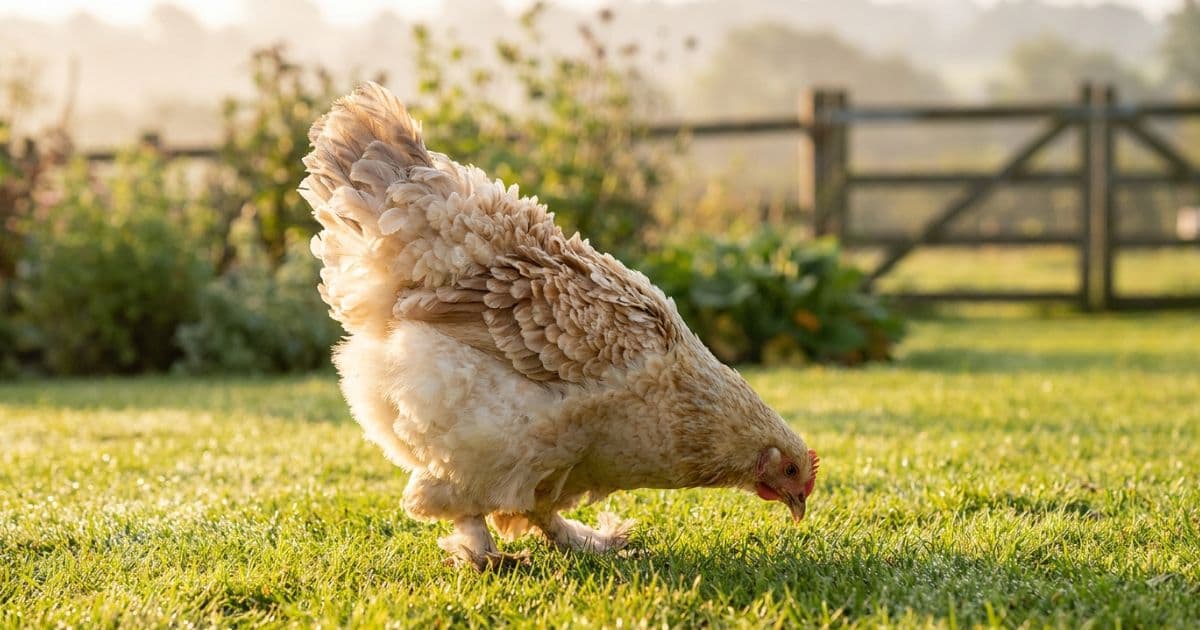
The appearance of a Frizzle chicken is defined by its curling plumage. Instead of laying flat to form a smooth, windproof barrier, their feathers clasp outward and twist forward, giving the bird a fluffy, crimped, or 'wooly' appearance. Depending on the parent breed, Frizzles can have feathered legs (if Cochin parentage) or clean legs, and they can display standard combs or elaborate crests and muffs (if Polish parentage). They come in both standard and bantam sizes, though the bantam Cochin Frizzle is the most common version in backyard flocks.
Because their feathers curl, they cannot interlock to trap air or repel water. This means their plumage is soft and loose, offering very little protection against wind, rain, and snow. Frizzles can also vary in size depending on their genetic heritage; a bantam Cochin hen might weigh only 2 pounds, while a standard Plymouth Rock Frizzle can reach 6 or 7 pounds. Breeding Frizzles requires care: you must always cross a frizzled bird (F/f) with a smooth-feathered bird (f/f) to produce 50% frizzle offspring. Crossing two Frizzles results in 'frazzles' (F/F), which have brittle, curly feathers that break off, leaving the bird bald and prone to severe skin issues and heart failure.
Temperament
Frizzle chickens have a sweet, gentle, and docile temperament, largely inherited from their Cochin or Polish parents. They are typically calm, quiet, and friendly birds that enjoy interacting with humans. Because they cannot fly and move slowly, they are very easy to catch, hold, and carry, making them exceptionally popular with children and keepers looking for gentle lap pets.
In a mixed flock, their docile nature and physical limitations place them at the bottom of the pecking order. They are vulnerable to bullying because they cannot fly away to escape aggressive hens, and their unique feathers can sometimes draw unwanted pecking from other birds. Additionally, if the Frizzle has Polish parentage, their vision-blocking crest feathers make it easy for them to be startled or targeted. It is best to house Frizzles with other gentle, non-aggressive breeds. To see how their temperament compares to other friendly choices, see our guide on friendliest chicken breeds.
Egg laying
The egg-laying ability of a Frizzle depends entirely on the parent breed. For example, a Cochin Frizzle will lay about 100 to 120 small, cream-colored eggs per year, while a Plymouth Rock Frizzle might produce 150 to 180 medium-sized brown eggs. On average, you can expect a modest output of 2 to 3 eggs per week during the spring and summer laying seasons. They are not high-volume production layers and will typically stop laying completely during the winter months.
Frizzles are prone to broodiness, especially those with Cochin parentage. A broody Frizzle hen makes a patient, attentive mother and will sit on eggs reliably. However, their curled feathers do not provide as much surface insulation for hatching eggs as smooth feathers do, so they should not be given large clutches. For a list of high-output laying breeds to round out your flock, read our guide on best chicken breeds for eggs.
Climate hardiness
Frizzle chickens require careful climate management because their feathers do not function normally. They handle warm weather well because their loose feathers allow heat to escape easily. However, they are highly sensitive to cold, wet, and drafty conditions. Because their feathers cannot trap heat or shed water, a wet Frizzle will quickly suffer from hypothermia, which can lead to severe illness or death.
Keepers in cold climates must provide a dry, draft-free coop and a fully covered run to protect Frizzles from rain and snow. In winter, they require high-calorie feeds to help them generate body heat, and some keepers use safe supplemental heating in the coop during extreme sub-zero weather. Their feathered legs (if present) should be checked regularly for caked mud or ice, which can cause frostbite on toes.
Coop and care needs
- Low roost bars. Because they cannot fly, roost bars must be set low (12 to 18 inches) or equipped with a sturdy ramp. Heavy bedding on the floor is also acceptable if they choose to sleep there.
- Standard nest boxes. Standard 12x12 inch nest boxes set close to the ground work perfectly. Provide one nest box for every 3 to 4 hens.
- High predator protection. Because they cannot fly to escape danger, the run must be fully enclosed with hardware cloth. Read our chicken coops guides.
- Vision check. If your Frizzle has a crest (Polish parentage), gently trim the crest feathers around the eyes so they can see feed, water, and flock mates clearly. See what should be inside a chicken coop.
Pros and cons
Pros: Striking, highly unique appearance, exceptionally sweet and friendly temperament, excellent pets for kids, low roost needs makes coop design simple.
Cons: Highly vulnerable to cold, wet, and drafty climates, flightless and easy prey for predators, prone to bullying by aggressive breeds, genetics require careful breeding (frazzle risk).
Who Frizzles are best for
- Keepers looking for a unique, ornamental pet chicken for their flock.
- Families with kids who want a docile, slow-moving bird that is easy to handle.
- Warm, dry climates where cold-weather insulation is not a major concern.
- Secure, covered runs with other gentle, non-aggressive breeds. See best chickens for beginners.
Frequently Asked Questions
Quick, practical answers to common questions about feeding this to chickens.
About the Author

Amy Schmelter is a lifelong chicken keeper raising a large flock in Florida and the author of the upcoming book What I Wish I Knew Before Getting Chickens. She started Chicken Homestead to share what actually works.
Disclosure
Some links on Chicken Homestead may be affiliate links. We only recommend products we’d use ourselves. See our affiliate disclosure for details.