Avoid feeding onions to chickens entirely. While some keepers claim to offer onion scraps without issues, onions contain toxic chemical compounds that represent a serious health risk to poultry. Ingesting onions can cause hemolytic anemia, a condition that destroys red blood cells and can be fatal to birds. This toxicity is present in all parts of the onion and is not destroyed by cooking or processing. This guide explains the science behind onion toxicity, the symptoms of poisoning, how it affects egg flavor, and safer kitchen alternatives. Keepers should establish a clear policy for all kitchen waste. It is highly recommended to educate anyone involved in feeding the flock about the potential dangers of alliums, ensuring that no garlic or onion leftovers are ever placed in the run. Even minor exposures can accumulate and cause health declines over time.
The short answer
Skip onions completely. No part of the onion—raw, cooked, skins, or green tops—should ever be fed to your chickens. The risk of red blood cell damage and hemolytic anemia is too high, and the consequences can be fatal. For a list of safe kitchen scraps, see our guide on what do chickens eat. While chickens may peck at onions out of curiosity, they are not a natural food source and should be excluded from their diet entirely to protect their health. Never assume that chickens will naturally avoid toxic plants in the yard.
Why most keepers avoid onions
Onions contain thiosulfates and sulfoxides, which are natural defense mechanisms that deter pests. While humans can digest these compounds easily, birds lack the specific enzymes to process them. Digested thiosulfates enter the bloodstream and cause oxidative damage to the red blood cell membranes. This leads to Heinz body formation and the rupture of red blood cells, resulting in severe anemia. Because chickens have a small blood volume, they are highly vulnerable to this process, leading to rapid weakness, tissue suffocation, and potential heart failure under exertion.
The damage to red blood cells from thiosulfates is permanent, meaning the affected cells cannot recover and must be filtered out by the spleen and liver. This places extra strain on the hen's internal organs, leading to cumulative health issues over time. Even if a hen survives an initial large serving of onions, her overall vitality and laying capacity will be compromised for weeks.
The spleen is responsible for filtering out damaged red blood cells, but a severe case of hemolysis can overwhelm the organ, leading to toxic shock. Hens suffering from onion poisoning will appear lethargic and slow-moving, with little interest in their feed or flock activities. This acute distress requires immediate isolation and fresh water support.
Raw vs cooked onions
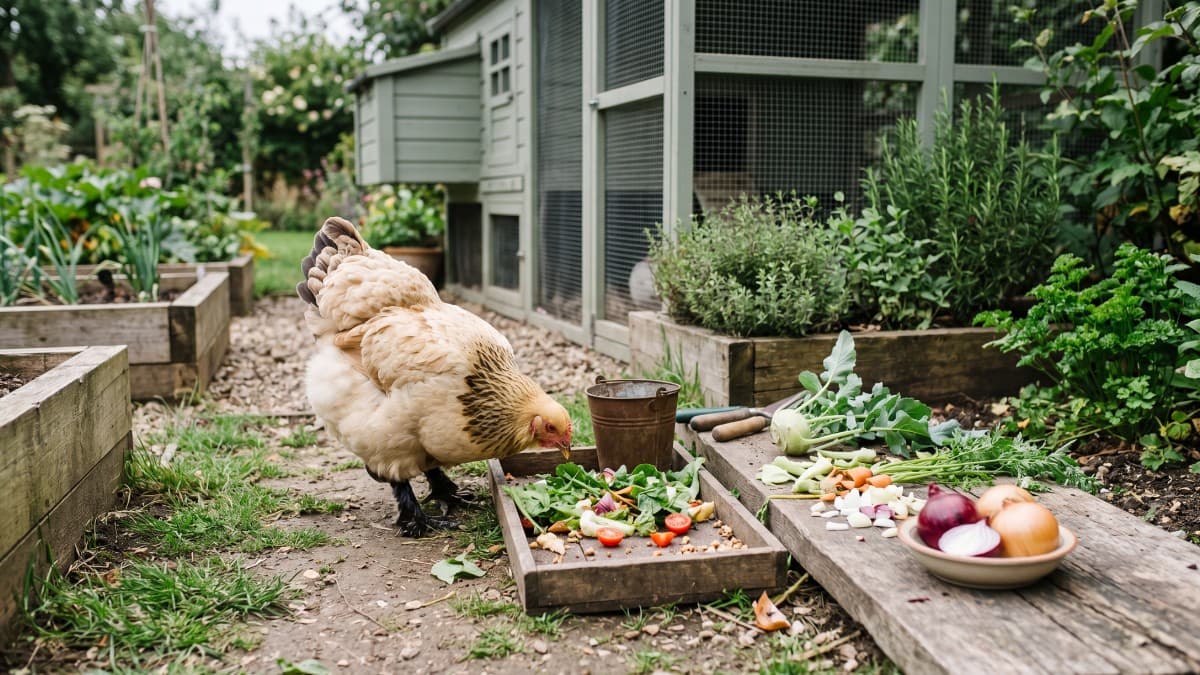
Many keepers mistakenly believe that cooking onions makes them safe for poultry. However, thiosulfates are highly stable at high temperatures, meaning boiling, baking, frying, or dehydrating onions does not reduce their toxicity. Dehydrated onion powder and onion flakes are actually more concentrated and represent an even greater hazard. Therefore, onion rings, onion soups, and any table scraps cooked with onions must be kept completely out of the coop, and you should inspect all kitchen waste carefully before feeding it.
Keepers should also be careful with dishes like pizza crusts, pasta leftovers, and seasoned breadcrumbs. These foods frequently contain onion powder or onion salt as hidden ingredients. While they may seem like harmless treats, the concentrated allium content can trigger acute toxicity in small backyard birds.
What if my flock got into a small amount
The toxic effects of onions are cumulative and dose-dependent. A single tiny bite of onion is unlikely to kill a healthy adult hen, but regular feeding of small amounts or a single large serving will trigger anemia. If your flock accidentally consumes onion scraps, watch for early signs of toxicity such as pale combs and wattles, weakness, reduced feed consumption, and watery droppings. If symptoms appear, remove all treats and provide clean, fresh water immediately to support their recovery, and consult a vet if needed.
Onions and egg flavor
In addition to their chemical toxicity, onions contain strong volatile oils that can quickly affect the flavor of your flock's eggs. Feeding even small amounts of onions, garlic, or leeks can transfer a distinct, sulfurous taste and odor to the egg yolks. Many keepers report that their eggs taste off or metallic after the hens consume onion scraps. To maintain clean, delicious-tasting eggs for your table, keep all members of the allium family out of their feed bowl, as their digestive system concentrates these oils.
This flavor transfer occurs because the sulfur compounds in onions are absorbed into the bloodstream and deposited directly into the lipids of the egg yolk. The off-flavor can persist for up to ten days after the onions are consumed, making the eggs unpalatable for table use.
Safer treat alternatives
If you want to feed kitchen scraps to your flock, stick to fully safe vegetables like squash, cucumbers, carrots, and leafy greens. Ensure that commercial layer feed makes up 90% of their daily diet. Check out our chicken feed guide by age. For more guides on foods to handle with care or avoid entirely, read our guides on can chickens eat potatoes and can chickens eat avocado. Keep treats healthy and safe.
Choosing healthy, non-toxic treats guarantees the long-term vitality of your backyard chickens. Variety in their supplemental diet encourages natural pecking behaviors and active search, keeping them physically active and mentally stimulated. Always double-check lists of safe homestead plants and feed items before sharing leftovers from your table.
When to call a vet
If you suspect a hen has consumed a large amount of onions and is showing severe lethargy, labored breathing, or a pale, shrunken comb, separate her immediately. Place her in a warm, quiet area and provide clean water. In severe cases, hemolytic anemia causes tissue suffocation, and veterinary care or oxygen therapy may be required. Prevent exposure by keeping onion trimmings out of the compost pile if your birds have access to it, as they will scratch through compost and accidentally eat pieces.
Frequently Asked Questions
Quick, practical answers to common questions about feeding this to chickens.
About the Author

Amy Schmelter is a lifelong chicken keeper raising a large flock in Florida and the author of the upcoming book What I Wish I Knew Before Getting Chickens. She started Chicken Homestead to share what actually works.
Disclosure
Some links on Chicken Homestead may be affiliate links. We only recommend products we’d use ourselves. See our affiliate disclosure for details.